trade-for-you.cn | Trade for you! Trade for your account! | Direct | Joint | MAM | PAMM | LAMM | POA
Trade for you! Trade for your account! Direct | Joint | MAM | PAMM | LAMM | POA Forex prop firm | Asset management company | Personal large funds. Formal starting from $500,000, test starting from $50,000. Profits are shared by half (50%), and losses are shared by a quarter (25%).
Forex multi-account manager Z-X-N Accepts global forex account operation, investment, and trading Assists family office investment and autonomous management
In the forex margin trading market, a fundamental question must first be answered: Do participants view short-term gains as their sole objective, or do they view trading as a profession requiring long-term investment and continuous improvement? Different answers to this question determine all subsequent behavioral patterns and risk exposure structures.
If trading is viewed solely as a tool for quick profits, every price fluctuation directly translates into immediate emotional feedback—profits bring fleeting euphoria, while losses trigger intense pain. In this situation, risk management rules are easily replaced by impulsive trading, and strategy execution is hijacked by changes in account equity, ultimately forming a negative cycle of "high-frequency trading—high-cost losses—emotional decision-making." Over time, the capital curve continues to decline, the psychological stress threshold decreases, and the trading experience naturally becomes difficult and even painful.
Conversely, if trading is positioned as a profession or a research subject, any market outcome will be incorporated into the sample statistical framework: profits are seen as validation points for strategy effectiveness, and losses are recorded as necessary information for model improvement.
At this point, a single large drawdown is no longer simply attributed to "bad luck," but is redefined as "overspending on risk budget" or "failure of hypothesis testing," thus triggering a system review and parameter adjustment process. Emotional shocks are absorbed by the institutionalized review mechanism, and the trading process becomes more stable and repeatable.
The difference in perspective is essentially the difference between "passive acceptance" and "active management." The former treats market fluctuations as external threats, while the latter views fluctuations as observable, quantifiable, and exploitable experimental conditions. The same event is given drastically different meanings under different frameworks, leading to drastically different response paths.
A similar logic exists in the traditional workplace. Two programmers face the same project requirement: one understands it as "passively completing a task," while the other sees it as "an experimental scenario for validating a new technology stack." The former focuses on minimizing personal input, while the latter focuses on maximizing cognitive gains. In the short term, both deliver code, but in the long term, the divergence in knowledge accumulation and career trajectory becomes increasingly significant.
A more extreme contrast can be seen in two states with highly similar physical spaces but completely opposite psychological spaces: a prison cell and a secluded retreat. Both restrict movement and simplify living conditions, but the former is imposed externally, while the latter is chosen actively by the individual. The direction of the lock determines the nature of the experience: being locked causes pain, while self-locking fosters focus; the former involves a countdown to release, while the latter involves a countdown to advancement; seemingly identical physical constraints lead to drastically different psychological outcomes due to the different ownership of control.
Returning to the forex trading scenario, when participants clarify the primary and secondary relationship between "profit-seeking" and "professional positioning," they complete a crucial leap from passive response to proactive design. Afterward, the capital curve is no longer randomly drawn by market conditions but continuously plotted by risk management rules with positive expected value; individual profits and losses no longer trigger value judgments but merely serve as inevitable samples under the law of large numbers. Thus, trading behavior departs from the zero-sum context of "seeking quick money" and enters the professional context of "seeking systemic stability." Profit becomes a byproduct of consistent long-term execution, rather than a direct goal driven by emotions. In other words, clarifying the direction of motivation is equivalent to changing the lock to the inside, holding the key in one's own hand, and transforming market fluctuations from an external threat into internal nourishment, bringing one closer to a sustainable profit path.
The core criterion for Swiss citizens providing asset management services is not nationality, but rather whether they fully meet a series of requirements.
In the field of two-way foreign exchange investment, both MAM (Multi-Account Manager) and PAMM (Percentage Allocation Management Module) fall under the category of asset management on behalf of clients. For non-Swiss citizens, the ability to provide related services to Swiss citizens using these two models is not directly determined by nationality. The core issue is whether they can fully meet the stringent regulatory requirements set by the Swiss Financial Market Supervisory Authority (FINMA), including qualification licensing, company structure, and professional conduct standards. The relevant compliance conditions can be analyzed in detail from three core dimensions: qualification access, supporting entities, and regulatory compliance. These dimensions are interconnected and indispensable, forming the prerequisite for legally conducting business.
The primary and core requirement is obtaining the corresponding asset management qualification license. Switzerland implements extremely strict regulatory standards for asset management activities. Regardless of whether the service provider is a Swiss citizen, anyone conducting asset management services such as MAM or PAMM for commercial purposes must first obtain the relevant authorization documents or regulatory licenses issued by FINMA. Commercial operations without a license will be considered illegal. Specifically, if a non-Swiss citizen acts as an overseas manager and plans to station employees in Switzerland long-term to manage related assets, they must submit an application to FINMA in advance and obtain approval before legally establishing a branch. The establishment process and operational standards of the branch must also fully comply with FINMA's regulatory requirements. For portfolio management businesses that are highly tied to the PAMM and MAM models, practitioners must also obtain a special license issued by FINMA and be subject to continuous supervision and inspection by FINMA throughout their operations. The scope of supervision covers key aspects such as the standardization of business operations and the implementation of client rights protection, ensuring that the entire business process complies with regulatory bottom lines.
Secondly, compliance requirements for both individuals and institutions must be met. If a non-Swiss citizen chooses to conduct MAM/PAMM-related asset management business under an institutional name, its institutional structure must strictly comply with the explicit provisions of relevant Swiss laws and regulations. Regarding the core management team, the institution must have at least one director who is a Swiss or EU citizen and actually resides in Switzerland; if the institution has a large number of directors, a majority must be Swiss citizens. This requirement aims to ensure effective alignment between the institution's operations and the Swiss regulatory system. Simultaneously, the institution must meet basic requirements regarding organizational structure and financial strength. For example, it must establish an internal governance structure and risk control system that complies with regulatory requirements. In terms of capital, institutions registering to conduct related business must have paid-in capital of no less than CHF 20,000, and this capital must be fully paid up and subject to regulatory verification. At the individual practitioner level, practitioners must submit documentation to regulatory agencies proving they have no history of misconduct, demonstrating their professional qualifications and capabilities required to conduct the relevant business. If the business process involves anti-money laundering operations, an additional personal compliance file is required. This file must include key information such as compliance training records and anti-money laundering operation awareness assessment results, ensuring that the individual's professional conduct complies with compliance standards.
Furthermore, conducting such business requires strict adherence to specific regulatory rules and industry self-regulatory norms. In addition to being directly regulated by FINMA, related asset management activities may also need to comply with corresponding industry self-regulatory requirements. In practice, one common compliance path is to join an industry self-regulatory organization recognized by FINMA, such as the Association of Financial Intermediaries in the French-speaking Region of Switzerland (ARIF). Becoming a member of such a self-regulatory organization requires meeting a series of prerequisites, including possessing the corresponding professional capabilities, completing the required duration of compliance training, and passing the assessment. Only by becoming a member of a compliant self-regulatory organization can one more effectively conduct portfolio management activities, including MAM and PAMM models. Simultaneously, throughout the entire service period, strict adherence to Swiss anti-money laundering laws, investor protection laws, and other relevant laws and regulations is required. This ensures transparency and traceability in all aspects of fund raising, asset custody, investment operations, and profit distribution, effectively protecting investors' legitimate rights and interests and preventing violations such as misappropriation of funds or insufficient information disclosure.
In summary, the core criterion for determining whether non-Swiss citizens can legally use the MAM or PAMM model to provide asset management services to Swiss citizens is not nationality, but rather whether they fully meet the aforementioned requirements regarding qualifications, institutional structure, personal conduct, and compliant operation. As long as they fully comply with all regulatory and standard requirements, non-Swiss citizens can legally conduct related business. Conversely, if they fail to obtain the corresponding FINMA license, have an inappropriate institutional structure, or fail to comply with anti-money laundering and industry self-regulation requirements, regardless of their nationality, conducting such asset management business will be considered a violation by Swiss regulatory authorities and will face legal consequences such as administrative penalties and business shutdowns.
Both parties need to sign a compliance agreement, clarifying rights and responsibilities to ensure smooth cooperation. This approach is particularly common among external fund managers using PAMM/MAM systems, who cleverly circumvent the direct licensing difficulties and conduct business steadily.
In the two-way trading field of forex investment, non-Swiss citizens can indeed provide professional investment management services to Swiss citizens through MAM (Multi-Account Manager) or PAMM (Percentage Allocation Management Module) management models. However, this operation must be carried out under Switzerland's stringent financial regulatory framework; any negligence may cross regulatory red lines and lead to serious consequences.
The Swiss financial regulatory system is renowned for its rigor and efficiency, especially in its comprehensive and thorough oversight of financial services such as asset management, investment advice, and fund management. FINMA (Swiss Financial Market Supervisory Authority), as the core regulatory body, bears the heavy responsibility of authorizing and supervising financial intermediaries to ensure market order.
Since 2020, the Financial Services Act (FinSA) and the Financial Institutions Act (FinIA) have been officially implemented, drawing clear red lines for the investment services sector. All individuals or companies providing investment services must hold the corresponding licenses, and operating without a license will face severe penalties.
Regarding the necessity of a license, the key factors are not the nationality of the service provider, but rather the following: whether the service precisely targets the Swiss market or customer group, covering Swiss residents and citizens; whether the nature of the service touches on sensitive areas such as "asset management" or "investment advice," which typically require a license; whether the provider has a business location in Switzerland or consistently and frequently extends "olive branches" to Swiss clients; and whether the service utilizes the resources of authorized Swiss intermediaries, such as licensed banks or asset management companies, to conduct business. Crucially, even if a non-Swiss citizen is located abroad, such as in Cyprus, the UK, or Singapore, if their PAMM/MAM services are deemed to be "actively soliciting" Swiss clients or have become a regular service pattern, FINMA's regulatory requirements may be triggered instantly, without question.
Faced with stringent regulations, non-Swiss citizens are not helpless; several compliance paths are available. First, they can directly confront the challenge by applying for FINMA authorization to become licensed asset managers. However, this is far from easy; the process is complex and costly, requiring multiple stringent conditions such as capital strength, professional competence, and anti-money laundering (AML) compliance. It is difficult to achieve without thorough preparation and capability. Second, they can leverage existing resources by partnering with FINMA-authorized Swiss institutions, such as banks and asset management companies. These institutions, as legal entities, provide the services, while non-Swiss citizens act as technical or strategic advisors, contributing their expertise behind the scenes. Both parties need to sign a compliance agreement clarifying responsibilities and ensuring smooth cooperation. This path is particularly common among external fund managers using PAMM/MAM systems, who cleverly circumvent the direct licensing difficulties and conduct business steadily. Third, they can carefully select their clients, resisting the urge to "actively solicit" clients, providing services only occasionally to a few Swiss clients, with all services conducted overseas. This "reverse solicitation" model, theoretically, enjoys regulatory exemptions. However, it's important to note that this exception is being gradually squeezed by regulators, and the risks are quietly increasing. Careful evaluation and thorough consideration are essential before proceeding.
Cross-border services also involve the challenge of international regulatory coordination. If a non-Swiss citizen's country of residence is subject to international regulations such as the EU's MiFID II, the UK's FCA, or Cyprus's CySEC, these prestigious licenses cannot operate freely in Switzerland. Mutual recognition of financial regulations between Switzerland and the EU is not yet fully implemented, and barriers to international regulatory coordination remain. Non-Swiss citizens need to face this reality and plan their strategies in advance.
In conclusion, for non-Swiss citizens using MAM/PAMM services for Swiss citizens, nationality is not the obstacle; regulatory compliance is the core key. Only by deeply ingraining a compliance mindset, accurately grasping the regulatory landscape, and choosing the right compliance path can one steadily cultivate this fertile ground of finance, reap investment rewards, and realize the dream of wealth appreciation.
Strict account opening requirements are set for Chinese citizens who only hold a mainland China ID card and have a registered mainland China address, but do not have long-term residency status abroad, proof of employment abroad, or foreign tax residency status. Most compliant brokers will even directly refuse to provide account opening services to this group.
In the context of two-way forex trading, the US federal government has not issued explicit regulations restricting or prohibiting Chinese citizens from opening related trading accounts. However, it should be clarified that forex brokers regulated by the US Commodity Futures Trading Commission (CFTC) and the National Futures Association (NFA) generally combine cross-border compliance management, anti-money laundering (AML) requirements, and customer due diligence (CDD) processes to set strict account opening requirements for Chinese citizens who only hold a mainland China ID card and have a registered mainland China address, but do not have long-term residency status abroad, proof of employment abroad, or foreign tax residency status. Most compliant brokers will even directly refuse to provide account opening services to this group.
In essence, this account opening restriction does not stem from an explicit ban at the US government level. The core driving factors lie in the risk control needs of brokers themselves and the objective requirements of cross-border regulatory coordination.
Looking at the core factors specifically affecting account opening, the first is the constraint brought about by the differences between regulatory compliance requirements and broker policies. The CFTC and NFA have formulated a series of strict regulatory rules for retail forex trading, including core requirements such as leverage limits for major currency pairs (maximum 50:1), mandatory segregation of client funds, and full disclosure of broker financial information. To effectively avoid the potential risks brought about by cross-border regulation, most regulated forex brokers explicitly stipulate in their account opening terms that they will not provide services to non-US tax residents or non-local long-term residents of mainland China, and will only open account opening channels to Chinese citizens holding US permanent residency (green card), US work visas, long-term residency certificates, or possessing US tax residency status (such as being able to submit W-9 tax forms). Taking licensed forex firms in the US as an example, their current account opening verification process for Chinese citizens explicitly requires proof of long-term overseas work or residence, such as overseas utility bills, formal employment contracts, and residence permits. Applications based solely on mainland Chinese documents are almost impossible to pass the verification. Furthermore, the few retail forex brokers holding NFA licenses primarily serve US residents through their US-based operations. Non-US residents who wish to open an account usually need to submit their applications through regulatory bodies established by these brokers in other regions, such as the UK (regulated by the UK Financial Conduct Authority, FCA) or Australia (regulated by the Australian Securities and Investments Commission, ASIC). Whether an account can be opened depends on the regional service policies of the corresponding regulatory body.
Secondly, strict Know Your Customer (KYC) and Anti-Money Laundering (AML) processes and identity verification standards further raise the bar for Chinese citizens opening accounts with US forex brokers. Under NFA regulations, brokers must implement strict KYC and anti-money laundering verification processes. Chinese citizens applying to open an account must submit a series of supporting documents, including a valid passport, proof of address in the US or other overseas regions, proof of the legality of the source of funds, and tax residency declaration documents (such as the W-8BEN form). For applicants who can only provide a mainland China ID card and proof of address, but cannot provide proof of overseas residency or employment, their account opening applications are almost guaranteed to fail the broker's review. At the same time, brokers may also use various auxiliary methods to verify identity during the review process, such as determining the applicant's actual location through IP address location and verifying the location of their mobile phone number. If the applicant is found to be in mainland China, their account opening may be directly restricted, or further supporting documents proving long-term overseas residency may be required.
China's domestic regulatory policies and foreign exchange management regulations are also important constraints affecting US forex brokers' account opening services for Chinese citizens. Currently, mainland China has not yet opened retail forex margin trading; individual foreign exchange purchases are only permitted for approved compliant purposes such as tourism, study abroad, and medical treatment, and the use of purchased foreign exchange funds for overseas investment activities is explicitly prohibited. Against this backdrop, if overseas forex brokers proactively offer forex margin trading account opening services to mainland Chinese residents, they may be suspected of illegally soliciting clients. Therefore, most US forex brokers that prioritize compliance actively limit their services to mainland Chinese clients to avoid crossing Chinese regulatory red lines. Furthermore, cross-border fund transfers are strictly regulated. Mainland Chinese individuals have clearly defined annual limits on foreign exchange purchases and settlements, and remittances must undergo compliance review. If funds are illegally transferred for overseas forex investment, risks such as account freezing and financial losses may arise.
Differences in investor protection and compensation coverage also reduce the willingness of US forex brokers to serve Chinese citizens. US investor protection agencies, such as the Securities Investor Protection Corporation (SIPC), primarily cover the trading accounts of US residents. Non-US residents (including Chinese citizens) typically cannot access such compensation. This situation not only increases the risk exposure of Chinese citizens in US forex trading but also forces brokers to bear higher potential risks when dealing with non-local clients, thus reducing their incentive to offer account opening services to Chinese citizens.
Regarding feasible account opening paths and related precautions, qualified Chinese citizens can apply for account opening through compliant channels. Specifically, Chinese citizens holding U.S. permanent residency (green card), U.S. work visa, long-term residency certificate, or U.S. tax residency status can prepare and submit complete supporting documents according to NFA regulatory requirements and apply for account opening with a qualified U.S. forex broker. Once approved, they can begin trading. For Chinese citizens without the above qualifications, an alternative is to choose an international forex broker that also holds licenses from other major regulatory bodies such as the UK's FCA and Australia's ASIC. They can submit an account opening application through its non-U.S. regulated entity. However, before applying, it is essential to confirm that the regulated entity is authorized to provide services to Chinese citizens, and the entire trading process must strictly comply with China's foreign exchange management regulations and tax reporting requirements. It is particularly important to note that mainland Chinese residents attempting to circumvent the aforementioned restrictions by opening accounts through non-compliant channels will face multiple risks, including difficulties in remittance of funds, freezing of trading accounts by regulatory agencies or brokers, and inability to seek legal recourse in case of trading disputes. Furthermore, illegally using foreign exchange funds for overseas foreign exchange investment may also violate relevant laws and regulations such as the "Regulations of the People's Republic of China on Foreign Exchange Control," incurring corresponding legal liabilities.
In summary, while there is no explicit ban on Chinese citizens opening foreign exchange trading accounts at the US regulatory level, the strict regulatory requirements of the CFTC and NFA, the cross-border compliance and risk control needs of US forex brokers, coupled with the constraints of mainland China's foreign exchange regulatory policies, make it extremely difficult for Chinese citizens holding only mainland Chinese documents and lacking relevant overseas qualifications to open accounts with US forex brokers. However, for Chinese citizens with long-term US residency or US tax residency status, they can submit account opening applications to licensed US forex brokers through compliant procedures and, upon approval, participate in relevant two-way forex trading.
Canadian regulators do not have explicit prohibitions on Chinese citizens opening accounts, but compliance reviews are often difficult to pass.
In the two-way trading scenario of forex investment, Canada has no national regulations explicitly restricting or prohibiting Chinese citizens from opening accounts. This regulatory approach differs from some countries that explicitly impose restrictions. However, it should be noted that forex brokers regulated by the Investment Industry Regulatory Organization of Canada (IIROC) generally combine their own compliance policies, anti-money laundering requirements, and customer due diligence (CDD) standards with relevant Chinese regulations to set account opening thresholds for Chinese citizens, especially those residing in mainland China. Some institutions even directly restrict the provision of services. Essentially, these restrictions do not stem from explicit prohibitions at the Canadian government level; the core driving force lies in the brokers' own risk management needs and considerations for avoiding cross-border compliance risks.
Specifically, the core restrictive factors affecting Chinese citizens opening accounts are multifaceted, with differences in broker compliance policies being the primary variable. To mitigate the risks of cross-border regulatory conflicts, most brokers holding IIROC licenses explicitly define their service scope in their user agreements or account opening procedures. They generally exclude "mainland Chinese residents who do not reside or work in Canada or other overseas regions long-term," accepting only applications from Chinese citizens holding proof of long-term residency or employment in Canada or overseas (such as permanent resident status, work visas), or possessing local tax residency. Even some internationally renowned brokers with IIROC licenses (such as FXCM) typically do not provide services to non-residents through their Canadian operating entities. Instead, they serve global clients through entities regulated by other regional regulatory bodies (such as entities regulated by the UK Financial Conduct Authority (FCA) or the Australian Securities and Investments Commission (ASIC). In this case, whether a Chinese citizen can successfully open an account depends primarily on the regional service policies of that cross-border regulatory body, rather than the compliance requirements corresponding to their IIROC license.
The strict enforcement of anti-money laundering and Know Your Customer (KYC) procedures further raises the bar for Chinese citizens opening accounts. Under the mandatory requirements of the IIROC, brokers regulated by it must implement strict KYC processes and anti-money laundering verification mechanisms. When Chinese citizens apply to open an account, they must provide a valid passport, proof of address (which must be a residential address in Canada or another overseas region), and proof of the legality of the source of funds. Some brokers also require tax residency declaration documents (such as Form W-8BEN for non-US tax residents and Form W-9 for US tax residents). Conversely, if an applicant can only provide a mainland China ID card and proof of address, without any proof of overseas residency or employment, their account opening application will usually fail the broker's compliance review. This verification standard is essentially a necessary measure for brokers to avoid money laundering risks and cross-border regulatory responsibilities.
Domestic regulatory and foreign exchange policy constraints in China are another key external factor influencing brokers' service strategies. Currently, retail foreign exchange margin trading is not open in mainland China, and the amount and purpose of individual foreign exchange purchases are strictly regulated, only allowed for compliant scenarios such as tourism, study abroad, and medical treatment, and explicitly prohibited from being used for overseas investment. Against this backdrop, if overseas brokers actively provide forex trading services to mainland Chinese residents, they may be suspected of illegal solicitation and face potential regulatory accountability risks. Therefore, most IIROC-regulated brokers adhering to compliance principles proactively use technical means to restrict account opening from mainland IP addresses or mandate proof of overseas residency during the review process to avoid crossing Chinese regulatory red lines. This passive constraint further reduces the space for mainland Chinese residents to open accounts.
Differences in the coverage of investor compensation mechanisms also indirectly reduce brokers' willingness to serve non-local clients. Canada has an Investor Protection Fund (CIPF), whose core function is to provide financial compensation to investors in extreme cases such as broker bankruptcy. However, it should be clarified that CIPF coverage is limited to Canadian resident accounts; non-residents (including Chinese citizens) typically cannot enjoy this compensation right. For brokers, providing services to non-residents without the support of a compensation mechanism not only increases the difficulty of handling customer disputes but also increases their own operational risks. Therefore, most institutions proactively reduce their service scope to non-local clients. While this factor is not a direct restriction, its impact on the feasibility of opening accounts is equally significant.
From a practical perspective, there are clear and feasible paths for Chinese citizens to open Canadian regulated forex accounts, but certain prerequisites and precautions must be met. The primary applicable scenarios are for Chinese citizens holding Canadian permanent resident (PR) status, work visas, student visas, or proof of long-term residence in Canada, as well as those who have become Canadian tax residents. These individuals can prepare complete documentation of their identity, residence, and funds, in accordance with IIROC regulatory requirements, and submit an account opening application to a compliant IIROC-regulated broker. The account will then be opened after completing the required review process.
For Chinese citizens who do not meet the Canadian residency or status requirements, an alternative option is to choose an international broker holding licenses from internationally recognized regulatory bodies such as the UK's FCA or Australia's ASIC, and submit an account opening application through their non-Canadian regulated entity. However, it is crucial to ensure that the international broker's corresponding regulatory body is authorized to provide services to Chinese citizens when choosing this alternative, and to strictly comply with Chinese foreign exchange management regulations and tax reporting requirements to avoid risks arising from irregular operations.
It is particularly important to emphasize the compliance risk warning. Mainland Chinese residents attempting to circumvent the aforementioned restrictions by opening accounts through non-compliant channels will face multiple risks, including but not limited to: difficulties in remittance of funds (i.e., funds used for overseas investment do not comply with Chinese regulatory requirements and may be intercepted during the remittance process); account freezing risk (i.e., overseas brokers may directly freeze account funds if they discover falsified or irregular account opening materials during subsequent verification); and difficulties in resolving disputes (i.e., accounts opened through non-compliant channels typically lack protection from regulatory agencies in both jurisdictions, making it difficult to assert rights through legal channels in case of disputes with brokers). Furthermore, illegally using funds for overseas investment violates relevant regulations such as the "Administrative Measures for Individual Foreign Exchange" and may face regulatory penalties.
In summary, while Canadian regulators do not have explicit prohibitions on Chinese citizens opening accounts, and the overall regulatory environment is relatively open, IIROC-regulated brokers, based on considerations of cross-border compliance risk avoidance and their own risk control management, coupled with constraints from China's domestic foreign exchange regulatory policies, make it extremely difficult for mainland Chinese residents without overseas residency or work permits to open accounts, and in most cases, they will fail to pass compliance reviews. Chinese citizens with proof of overseas residence or who have obtained local tax residency status can successfully open an account with an IIROC-regulated broker by submitting complete documentation and completing the compliance review process. Other individuals with forex investment needs should prioritize compliant channels that conform to Chinese regulatory guidelines to avoid violating regulatory red lines.
trade-for-you.cn | Négociez pour vous ! Négociez pour votre compte ! | Direct | Joint | MAM | PAMM | LAMM | POA MAM | PAMM | LAMM | POA
Négociez pour vous ! Négociez pour votre compte ! Direct | Joint | MAM | PAMM | LAMM | POA MAM | PAMM | LAMM | POA Société de prop Forex | Société de gestion d'actifs | Fonds personnels importants. Formel à partir de 500 000 $, test à partir de 50 000 $. Les bénéfices sont partagés à parts égales (50 %) et les pertes à parts égales (25 %).
Gestionnaire multi-comptes de change Z-X-N Accepte les opérations, investissements et transactions d'agence de comptes de change mondiaux Aider les family offices à gérer leurs investissements de manière autonome
Z-X-N, gestionnaire de placements en devises, accepte les investissements et les opérations de change pour compte propre.
Je suis Z-X-N. Depuis 2000, je dirige une usine de fabrication de produits destinés au commerce international à Guangzhou, dont les produits sont vendus dans le monde entier. Site web de l'usine : www.gosdar.com. En 2006, suite à d'importantes pertes liées à la gestion de mes investissements par des banques internationales, j'ai entrepris un apprentissage autodidacte du trading. Après dix ans de recherches approfondies, je me concentre désormais sur le trading de devises et les investissements à long terme à Londres, en Suisse, à Hong Kong et dans d'autres régions.
Je possède une solide expertise en programmation web et d'applications en anglais. Durant mes premières années à la tête d'une usine, j'ai développé avec succès une activité à l'international grâce à un système de marketing en ligne. Après mon entrée dans le secteur de l'investissement, j'ai pleinement exploité mes compétences en programmation pour réaliser des tests complets de divers indicateurs pour le système de trading MT4. Parallèlement, j'ai mené des recherches approfondies en consultant les sites web officiels des principales banques internationales et diverses ressources spécialisées dans le domaine des changes. L'expérience pratique a démontré que seuls les indicateurs techniques des moyennes mobiles et des graphiques en chandeliers japonais présentent une réelle valeur ajoutée. Mes méthodes de trading efficaces reposent sur quatre configurations clés : l'achat en cas de cassure, la vente en cas de cassure, l'achat en repli et la vente en repli.
Fort de près de vingt ans d'expérience pratique dans l'investissement sur le marché des changes, j'ai identifié trois stratégies clés à long terme : premièrement, en cas d'écarts de taux d'intérêt importants entre les devises, j'utilise une stratégie de portage ; Deuxièmement, lorsque les cours des devises atteignent des sommets ou des creux historiques, je prends des positions importantes pour acheter au plus haut ou au plus bas. Troisièmement, face à la volatilité des marchés causée par des crises monétaires ou des spéculations, j'applique les principes de l'investissement contrarien et j'entre sur le marché dans le sens inverse, réalisant ainsi des gains significatifs grâce au swing trading ou à la détention à long terme.
L'investissement sur le marché des changes présente des avantages considérables, notamment parce que, si l'effet de levier est strictement contrôlé ou évité, même en cas d'erreurs d'appréciation temporaires, les pertes importantes sont généralement limitées. En effet, les cours des devises tendent à revenir à leur valeur intrinsèque sur le long terme, permettant ainsi un rétablissement progressif des pertes temporaires. La plupart des devises mondiales possèdent cette propriété de retour à la valeur intrinsèque.
Gestionnaire de change | Z-X-N | Présentation détaillée.
Dès 1993, j'ai mis à profit ma maîtrise de l'anglais pour débuter ma carrière à Guangzhou. En 2000, fort de mes compétences en anglais, en création de sites web et en marketing digital, j'ai fondé une entreprise de fabrication et lancé une activité d'exportation internationale, avec des produits vendus dans le monde entier.
En 2007, grâce à un important portefeuille de devises, j'ai réorienté ma carrière vers le secteur des investissements financiers, en commençant officiellement un apprentissage systématique, des recherches approfondies et une expérience pilote de trading à petite échelle sur le marché des changes. En 2008, tirant parti des ressources offertes par le marché financier international, j'ai mené des opérations d'investissement et de trading de devises à grande échelle et à fort volume par le biais d'institutions financières et de banques de change au Royaume-Uni, en Suisse et à Hong Kong.
En 2015, forte de huit années d'expérience pratique dans le domaine des investissements en devises, j'ai officiellement lancé un service de gestion, d'investissement et de trading de comptes de change pour mes clients, avec un solde minimum de 500 000 USD. Pour les clients prudents, un compte d'essai est proposé afin de leur permettre de vérifier mes compétences en matière de trading. L'investissement minimum pour ce type de compte est de 50 000 USD.
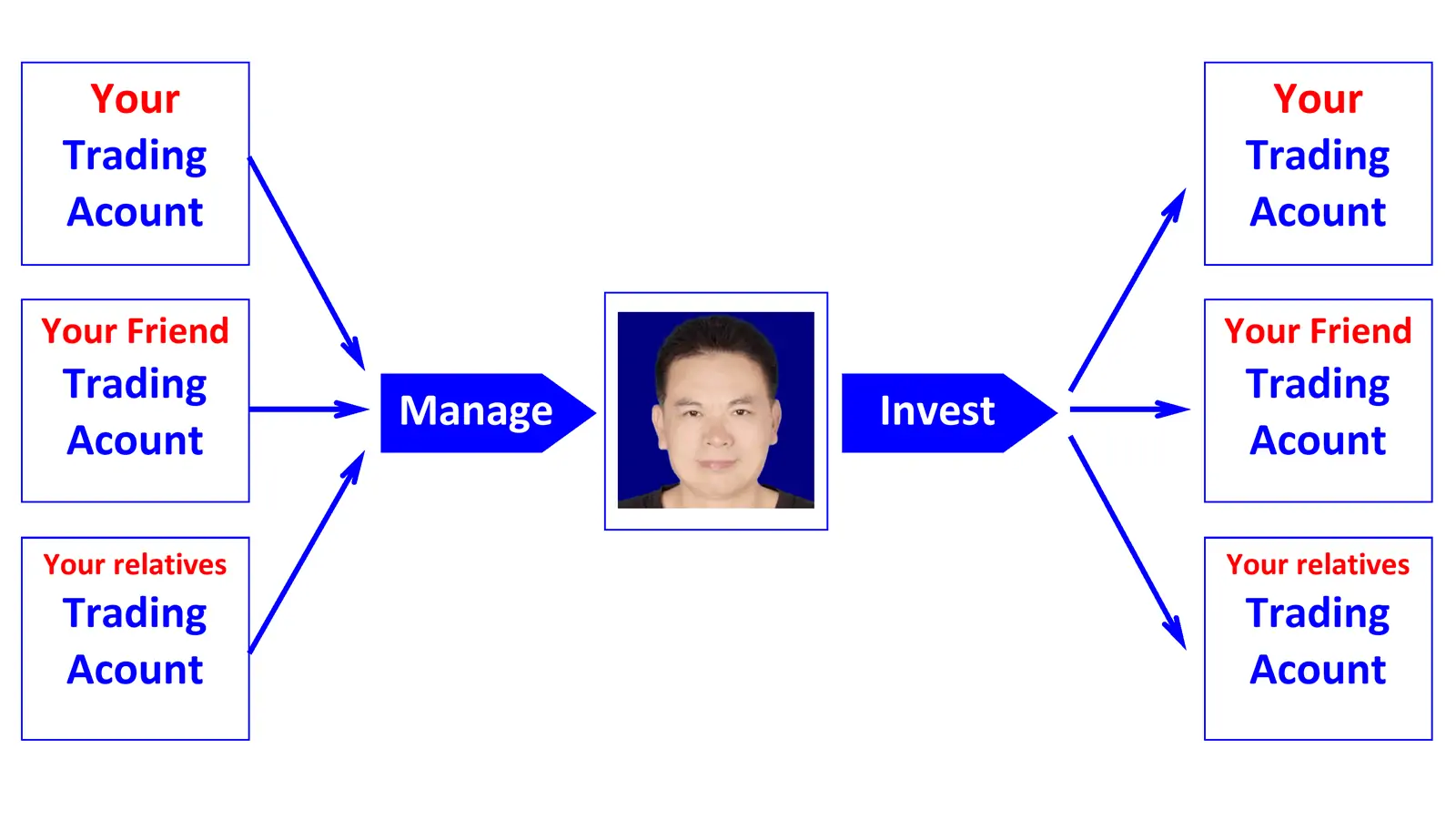
Principes de service : Je propose uniquement des services de gestion, d'investissement et de trading pour les comptes de trading de mes clients ; je ne détiens pas directement leurs fonds. Les partenariats sur comptes de trading conjoints sont privilégiés.
Pourquoi le gestionnaire de change Z-X-N s'est-il lancé dans l'investissement en devises ?
Mon entrée dans le monde de l'investissement financier est née d'un besoin urgent d'allouer et de préserver efficacement la valeur de mes fonds en devises dormants. En 2000, j'ai fondé à Guangzhou une entreprise de fabrication destinée à l'exportation, dont les principaux produits étaient commercialisés en Europe et aux États-Unis. L'activité a connu une croissance régulière. Cependant, en raison du quota annuel de règlement en devises en vigueur en Chine à l'époque, fixé à 50 000 $US pour les particuliers et les entreprises, une somme importante de dollars américains s'est accumulée sur le compte de l'entreprise, sans possibilité de rapatriement rapide.
Afin de revitaliser ces actifs durement acquis, vers 2006, j'ai confié une partie de ces fonds à une banque internationale de gestion de patrimoine réputée. Malheureusement, les résultats des investissements ont été bien inférieurs aux attentes : plusieurs produits structurés ont subi de lourdes pertes, notamment le produit QDII0711 (c’est-à-dire le « Plan de gestion de patrimoine structuré Merrill Lynch Focus Asia n° 2 »), qui a finalement perdu près de 70 %, marquant un tournant décisif dans ma décision de me tourner vers la gestion indépendante.
En 2008, alors que le gouvernement chinois renforçait sa réglementation des flux de capitaux transfrontaliers, une part importante des recettes d’exportation s’est retrouvée bloquée dans le système bancaire étranger, sans possibilité de rapatriement. Confronté à la réalité de millions de dollars immobilisés sur des comptes à l’étranger pendant une période prolongée, j’ai été contraint de passer d’une gestion de patrimoine passive à une gestion active et j’ai commencé à investir systématiquement sur le marché des changes à long terme. Mon cycle d’investissement est généralement de trois à cinq ans et privilégie l’analyse des facteurs fondamentaux et des tendances macroéconomiques plutôt que le trading haute fréquence à court terme ou le scalping.
Ce fonds commun comprend non seulement mon capital personnel, mais aussi les actifs à l'étranger de plusieurs partenaires actifs dans le commerce d'exportation et confrontés eux aussi à des difficultés de financement. C'est pourquoi je recherche activement des investisseurs externes ayant une vision à long terme et une tolérance au risque adaptée. Il est important de préciser que je ne détiens ni ne gère directement les fonds de mes clients. Je leur fournis des services professionnels de gestion de comptes, d'exécution de stratégies et d'opérations sur actifs en leur autorisant la gestion de leurs comptes de trading. Mon objectif est de les aider à réaliser une croissance patrimoniale stable, sous un contrôle rigoureux des risques.
Système de stratégie d'investissement diversifiée du gestionnaire de change Z-X-N.
I. Stratégie de couverture de change : Axée sur des opérations de change substantielles, avec pour objectif principal des rendements stables à long terme. Cette stratégie utilise les swaps de devises comme principal instrument opérationnel, construisant un portefeuille d'investissement à long terme pour obtenir des rendements continus et stables.
II. Stratégie de portage : Ciblant les écarts significatifs de taux d'intérêt entre différentes paires de devises, cette stratégie met en œuvre des opérations d'arbitrage pour maximiser les rendements. Le cœur de la stratégie réside dans l'exploitation et la réalisation complètes du potentiel de profit continu offert par les différentiels de taux d'intérêt en conservant la paire de devises sous-jacente à long terme.
III. Stratégie de positionnement à long terme basée sur les extrêmes : S’appuyant sur les cycles historiques de fluctuation des cours des devises, cette stratégie met en œuvre une intervention massive de capitaux pour acheter au plus haut ou au plus bas lorsque les prix atteignent des niveaux extrêmes historiques (plus hauts ou plus bas). En conservant les positions à long terme et en attendant que les prix reviennent à une fourchette raisonnable ou qu’une tendance se dessine, il est possible de réaliser des rendements supérieurs.
IV. Stratégie contrarienne axée sur les crises et l’actualité : Cette stratégie utilise un cadre d’investissement contrarien pour faire face aux conditions de marché extrêmes telles que les crises monétaires et la spéculation excessive sur le marché des changes. Elle englobe divers modèles opérationnels, notamment des stratégies de trading contrariennes, le suivi de tendance et le maintien de positions à long terme, tirant parti de la fenêtre de profit amplifiée par la volatilité du marché pour obtenir des rendements significativement différenciés.
Explication du plan de profits et pertes pour le gestionnaire Forex Z-X-N
I. Mécanisme de répartition des profits et pertes.
1. Répartition des profits : Le gestionnaire Forex a droit à 50 % des profits. Ce taux de répartition représente une rémunération raisonnable pour sa compétence professionnelle et sa capacité à anticiper les fluctuations du marché.
2. Partage des pertes : Le gestionnaire Forex est responsable de 25 % des pertes. Cette clause vise à encourager la prudence dans la prise de décision, à limiter les comportements de trading agressifs et à réduire le risque de pertes excessives.
II. Règles de perception des honoraires.
Le gestionnaire Forex perçoit uniquement une commission de performance et ne facture ni frais de gestion ni commissions de trading supplémentaires. Règles de calcul des commissions de performance : Après déduction du profit de la période en cours de la perte de la période précédente, les commissions de performance sont calculées sur la base du profit réel. Exemple : Si la première période enregistre une perte de 5 % et la seconde un profit de 25 %, la différence entre le profit de la période en cours et la perte de la période précédente (25 % - 5 % = 20 %) servira de base de calcul pour le prélèvement des commissions de performance par le gestionnaire de change.
III. Objectifs de trading et méthode de détermination des profits

1. Objectifs de trading : L’objectif principal du gestionnaire de change est d’obtenir un rendement prudent, en respectant les principes d’une gestion rigoureuse et en évitant la recherche de gains exceptionnels à court terme.
2. Détermination des profits : Le montant final des profits est déterminé de manière globale en fonction des fluctuations du marché et des résultats de trading réels de l’année.
Forex Manager Z-X-N vous propose des services professionnels d'investissement et de trading forex !
Vous nous fournissez directement votre identifiant et votre mot de passe pour vos comptes d'investissement et de trading, établissant ainsi une relation de confiance directe et privée.
Description du modèle de collaboration : Après réception de vos informations de compte, nous réalisons directement les opérations de trading pour votre compte. Les profits sont partagés à parts égales (50/50). En cas de pertes, nous prenons en charge 25 % des pertes. Vous pouvez également choisir ou négocier d'autres modalités de collaboration conformes au principe de l'intérêt mutuel ; la décision finale concernant les détails de notre collaboration vous appartient.
Avertissement relatif à la protection contre les risques : Dans le cadre de ce modèle de service, nous ne détenons aucun de vos fonds ; nous réalisons uniquement les opérations de trading via le compte que vous nous fournissez, éliminant ainsi tout risque lié à la sécurité de vos fonds.
Modèle de coopération pour un compte de trading d'investissement conjoint : Vous fournissez les fonds et je me charge de l'exécution des transactions, ce qui permet une répartition professionnelle des tâches, un partage des risques et des profits.
Dans le cadre de cette coopération, nous ouvrons conjointement un compte de trading : vous, en tant qu'investisseur, fournissez le capital opérationnel et je, en tant que gestionnaire de trading, suis responsable des opérations d'investissement professionnelles. Ce modèle représente une relation de coopération mutuellement avantageuse, établie entre personnes physiques et fondée sur une confiance totale.
La répartition des profits et des risques du compte est la suivante : en cas de profits, je perçois 50 % de la commission de performance ; en cas de pertes, je supporte 25 % des pertes. Les modalités spécifiques de cette coopération peuvent être négociées et adaptées à vos besoins, et le plan final respectera votre décision.
Pendant toute la durée de la coopération, les fonds restent sur le compte joint. Je me contente d'exécuter les instructions de trading et ne détiens ni ne protège les fonds, éliminant ainsi tout risque lié à leur sécurité. Nous espérons établir avec vous, grâce à ce modèle, une coopération professionnelle durable, stable et fondée sur la confiance mutuelle.
Les modèles de gestion de comptes MAM, PAMM, LAMM, POA et autres offrent principalement des services professionnels d'investissement et de trading pour les comptes clients.
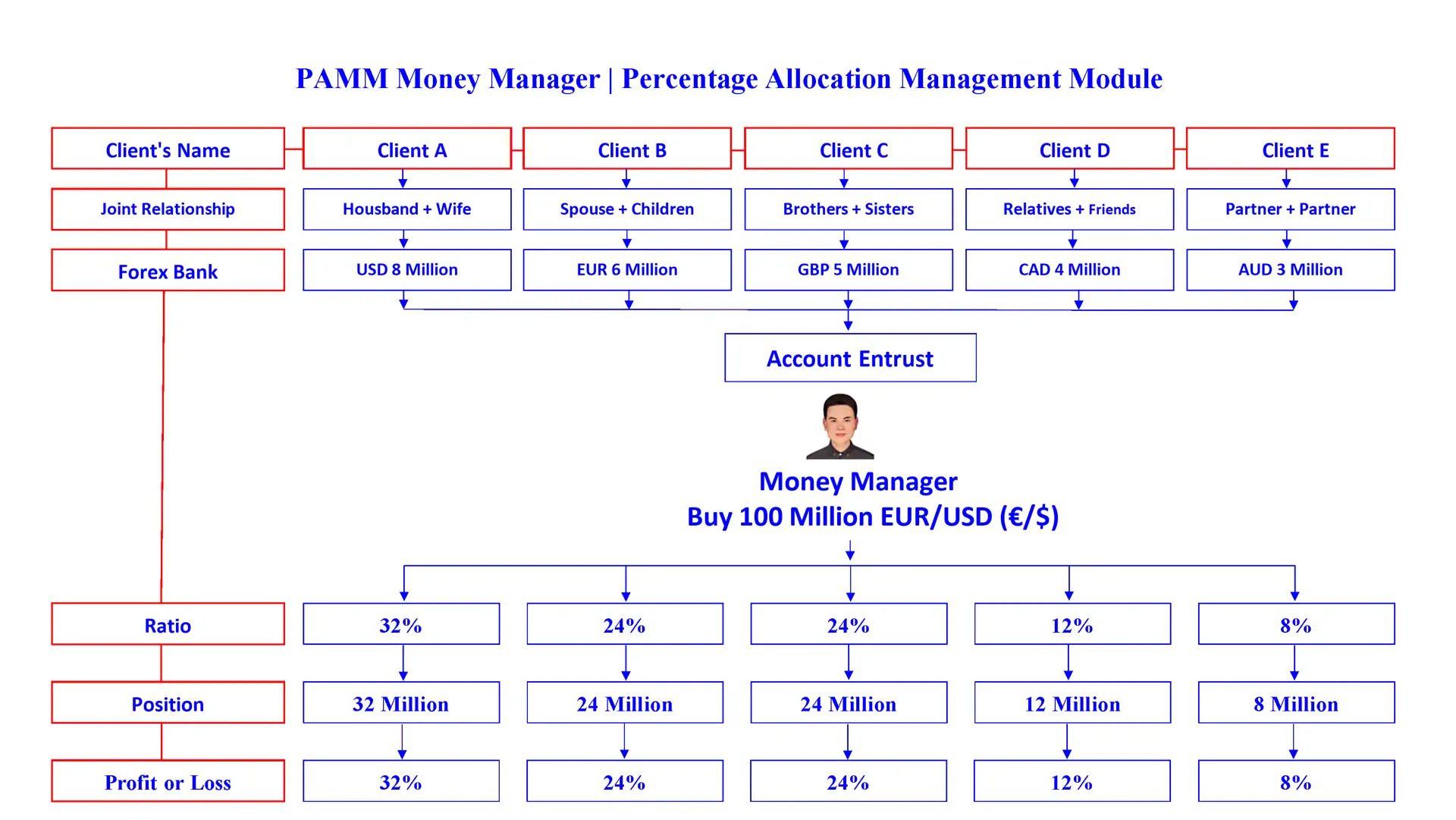
Les modèles MAM (Gestion multi-comptes), PAMM (Gestion de l'allocation en pourcentage), LAMM (Gestion de l'allocation de lots) et POA (Procuration) sont des structures de gestion de comptes largement proposées par les principaux courtiers forex internationaux. Ces modèles permettent aux clients d'autoriser des traders professionnels à exécuter des décisions d'investissement en leur nom, tout en conservant la propriété de leurs fonds. Il s'agit d'une forme de gestion d'actifs éprouvée, transparente et réglementée.
Si vous nous confiez la gestion de votre compte pour vos opérations d'investissement et de trading, les conditions de coopération sont les suivantes : les bénéfices seront partagés à parts égales (50/50) entre les deux parties, et ce partage sera stipulé dans la convention de mandat formelle émise par le courtier forex. En cas de pertes liées à des transactions, nous prendrons en charge 25 % de la responsabilité. Cette clause de responsabilité est distincte de toute convention de courtage standard et doit être précisée dans un accord de coopération privé signé par les deux parties.
Durant cette coopération, nous sommes uniquement responsables des opérations de transaction sur votre compte et n'aurons pas accès à vos fonds. Ce modèle de coopération élimine tout risque lié à la sécurité des fonds.
Présentation des modèles de garde de comptes tels que MAM, PAMM, LAMM et POA.
Les clients doivent confier la gestion de leurs comptes de trading à un gestionnaire forex via des modèles de garde tels que MAM, PAMM, LAMM et POA. Une fois la gestion effectuée, le compte du client est officiellement intégré au système de gestion du modèle de garde correspondant.
Les clients inclus dans les modèles de garde MAM, PAMM, LAMM et POA peuvent uniquement se connecter au portail en lecture seule de leur compte et n'ont aucun droit d'effectuer des opérations de trading. Le pouvoir de décision en matière de trading du compte est exercé de manière uniforme par le gestionnaire forex désigné.
Le client mandaté a le droit de résilier la garde de son compte à tout moment et peut le retirer du système de garde MAM, PAMM, LAMM et POA géré par le gestionnaire de change. Une fois le retrait effectué, le client recouvre l'intégralité des droits opérationnels sur son compte et peut réaliser lui-même ses opérations de trading.
Nous proposons des services de gestion de patrimoine familial via différents modèles de dépôt de comptes, tels que MAM, PAMM, LAMM et POA.
Si vous souhaitez préserver et faire fructifier votre patrimoine familial grâce au forex, vous devez d'abord choisir un courtier de confiance répondant aux critères requis et ouvrir un compte de trading personnel. Une fois le compte ouvert, vous pouvez signer avec nous, par l'intermédiaire du courtier, une convention de trading par mandat, nous confiant ainsi la gestion professionnelle de votre compte. La distribution des profits sera automatiquement effectuée par la plateforme de trading que vous aurez sélectionnée.
En matière de sécurité des fonds, notre principe est le suivant : nous disposons uniquement des droits d'opération sur votre compte de trading et ne contrôlons pas directement les fonds. Par ailleurs, nous privilégions l'ouverture de comptes joints. Conformément aux règles générales du secteur des opérations bancaires et de courtage sur le marché des changes, les transferts de fonds sont limités au titulaire du compte et ne peuvent être effectués au profit de tiers. Cette règle diffère fondamentalement des réglementations en matière de transferts des banques commerciales classiques, garantissant ainsi la sécurité des fonds d'un point de vue systémique.
Nos services de conservation couvrent tous les modèles : MAM, PAMM, LAMM et POA. Aucune restriction ne s'applique à la source des comptes de conservation ; toute plateforme de trading conforme prenant en charge les modèles de conservation susmentionnés peut être intégrée facilement à la gestion.
Concernant le capital initial des comptes de conservation, nous recommandons : un investissement d'essai d'au moins 50 000 USD ; un investissement formel d'au moins 500 000 USD.
Remarque : Les comptes joints sont des comptes de trading détenus conjointement par vous et votre conjoint, vos enfants, vos proches, etc. L’avantage principal de ce type de compte est qu’en cas d’imprévu, chaque titulaire peut légalement et en toute conformité exercer son droit de transférer des fonds, garantissant ainsi la sécurité et le contrôle des droits sur le compte.
Annexe : Plus de vingt ans d’expérience pratique | Des dizaines de milliers d’articles de recherche originaux disponibles pour consultation.
Depuis ma reconversion du commerce extérieur manufacturier vers l’investissement en devises en 2007, j’ai acquis une connaissance approfondie du fonctionnement du marché des changes et des principes fondamentaux de l’investissement à long terme grâce à plus d’une décennie d’autoformation intensive, de vérifications concrètes à grande échelle et d’analyses systématiques.
Je publie aujourd’hui des dizaines de milliers d’articles de recherche originaux, fruits de plus de vingt ans d’expérience, présentant en détail ma logique de prise de décision, ma gestion des positions et ma rigueur d’exécution dans divers contextes de marché. Mes clients peuvent ainsi évaluer objectivement la robustesse de mes stratégies et la constance de leurs performances à long terme.
Cette base de connaissances offre également un parcours d'apprentissage de grande valeur pour les débutants, les aidant à éviter les pièges courants, à raccourcir les cycles d'essais et d'erreurs et à développer des compétences de trading rationnelles et durables.
trade-for-you.cn | Handeln Sie für Sie! Handeln Sie für Ihr Konto! | Direkt | Joint | MAM | PAMM | LAMM | POA
Handeln Sie für Sie! Handeln Sie für Ihr Konto! Direkt | Joint | MAM | PAMM | LAMM | POA Forex-Prop-Firma | Vermögensverwaltung | Große Privatfonds. Offizieller Start ab 500.000 US-Dollar, Test ab 50.000 US-Dollar. Gewinne werden zur Hälfte (50 %) und Verluste zu einem Viertel (25 %) geteilt.
Foreign Exchange Multi-Account Manager Z-X-N Akzeptiert den Betrieb, die Investitionen und die Transaktionen globaler Devisenkontoagenturen Unterstützen Sie Family Offices bei der autonomen Vermögensverwaltung
Der Deviseninvestmentmanager Z-X-N nimmt anvertraute Investitionen und Handelsgeschäfte für globale Deviseninvestmentkonten entgegen.
Ich bin Z-X-N. Seit 2000 leite ich eine Produktionsstätte für Außenhandelsprodukte in Guangzhou, deren Produkte weltweit vertrieben werden. Webseite der Fabrik: www.gosdar.com. Im Jahr 2006 begann ich aufgrund erheblicher Verluste durch die Überlassung von Anlagegeschäften an internationale Banken, mir autodidaktisch Kenntnisse im Wertpapierhandel anzueignen. Nach zehn Jahren intensiver Recherche konzentriere ich mich nun auf Devisenhandel und langfristige Investitionen in London, der Schweiz, Hongkong und anderen Regionen.
Ich verfüge über fundierte Kenntnisse in englischer Anwendungs- und Webprogrammierung. In meinen frühen Jahren als Fabrikbesitzer konnte ich das Auslandsgeschäft erfolgreich über ein Online-Marketingsystem ausbauen. Nach meinem Einstieg in die Investmentbranche nutzte ich meine Programmierkenntnisse umfassend, um verschiedene Indikatoren für das MT4-Handelssystem zu testen. Parallel dazu recherchierte ich eingehend auf den offiziellen Websites großer globaler Banken und in diversen Fachpublikationen zum Thema Devisenhandel. Die Praxis hat gezeigt, dass gleitende Durchschnitte und Candlestick-Charts die einzigen technischen Indikatoren mit praktischem Nutzen sind. Effektive Handelsmethoden basieren auf vier Kernmustern: Ausbruchskäufe, Ausbruchsverkäufe, Pullback-Käufe und Pullback-Verkäufe.
Basierend auf fast zwanzig Jahren praktischer Erfahrung im Devisenhandel habe ich drei zentrale langfristige Strategien entwickelt: Erstens, bei signifikanten Zinsdifferenzen zwischen Währungen wende ich eine Carry-Trade-Strategie an; Zweitens: Wenn sich Währungskurse auf historischen Höchst- oder Tiefstständen befinden, nutze ich große Positionen, um an diesen Punkten zu kaufen. Drittens: Bei Marktvolatilität aufgrund von Währungskrisen oder Spekulationen über Nachrichten verfolge ich das Prinzip des konträren Investierens und steige entgegengesetzt in den Markt ein. So erziele ich signifikante Renditen durch Swing-Trading oder langfristiges Halten.
Deviseninvestitionen bieten erhebliche Vorteile, vor allem, weil bei strikter Kontrolle oder Vermeidung hoher Hebelwirkung selbst bei vorübergehenden Fehleinschätzungen in der Regel keine signifikanten Verluste entstehen. Dies liegt daran, dass Währungskurse langfristig tendenziell zu ihrem inneren Wert zurückkehren, wodurch vorübergehende Verluste allmählich ausgeglichen werden. Die meisten globalen Währungen weisen diese Eigenschaft der Wertrückkehr auf.
Devisenmanager | Z-X-N | Ausführliche Vorstellung.
1993 nutzte ich meine Englischkenntnisse, um meine Karriere in Guangzhou zu beginnen. Im Jahr 2000 gründete ich, basierend auf meinen Stärken in Englisch, Webdesign und Online-Marketing, ein Produktionsunternehmen und begann mit dem grenzüberschreitenden Exportgeschäft. Meine Produkte wurden weltweit vertrieben.
2007 verlagerte ich meinen beruflichen Schwerpunkt aufgrund meiner umfangreichen Devisenbestände auf den Bereich Finanzinvestitionen. Ich begann systematisch zu lernen, führte eingehende Recherchen durch und erwarb erste Erfahrungen im Devisenhandel. 2008 nutzte ich die Ressourcen des internationalen Finanzmarktes, um über Finanzinstitute und Devisenbanken in Großbritannien, der Schweiz und Hongkong umfangreiche Devisengeschäfte abzuwickeln.
Im Jahr 2015 habe ich, basierend auf acht Jahren praktischer Erfahrung im Devisenhandel, offiziell einen Service für die Verwaltung, Anlage und den Handel von Devisenkonten für Kunden mit einem Mindestguthaben von 500.000 US-Dollar eingeführt. Für vorsichtige und konservative Kunden biete ich ein Probekonto an, um ihnen die Möglichkeit zu geben, sich von meiner Handelskompetenz zu überzeugen. Die Mindestanlage für dieses Konto beträgt 50.000 US-Dollar.
Serviceprinzipien: Ich biete ausschließlich Dienstleistungen in den Bereichen Kontoverwaltung, Anlage und Handel für Kundenkonten an; ich verwalte keine Kundengelder direkt. Partnerschaften für gemeinsame Handelskonten werden bevorzugt.
Warum hat sich Devisenmanager Z-X-N dem Bereich Deviseninvestitionen zugewandt?
Mein Einstieg in die Finanzinvestitionen entstand aus dem dringenden Bedürfnis, ungenutzte Devisenmittel effektiv anzulegen und ihren Wert zu sichern. Im Jahr 2000 gründete ich in Guangzhou ein exportorientiertes Produktionsunternehmen, dessen Hauptprodukte in Europa und den USA vertrieben wurden. Das Unternehmen wuchs stetig. Aufgrund der damals geltenden jährlichen Devisenabrechnungsgrenze Chinas von 50.000 US-Dollar für Privatpersonen und Unternehmen sammelte sich jedoch ein großer Betrag an US-Dollar auf dem Firmenkonto an, der nicht umgehend transferiert werden konnte.
Um diese hart erarbeiteten Vermögenswerte zu revitalisieren, vertraute ich um das Jahr 2006 einen Teil davon einer renommierten internationalen Bank zur Vermögensverwaltung an. Leider blieben die Anlageergebnisse weit hinter den Erwartungen zurück – mehrere strukturierte Produkte erlitten erhebliche Verluste, insbesondere das Produkt mit der Nummer QDII0711 (d. h. „Merrill Lynch Focus Asia Structured Investment No. 2 Wealth Management Plan“), das letztendlich fast 70 % an Wert verlor. Dies war für mich der entscheidende Wendepunkt, um auf unabhängiges Investment umzusteigen.
2008, als die chinesische Regierung die Regulierung grenzüberschreitender Kapitalströme weiter verschärfte, blieben große Exporterlöse im ausländischen Bankensystem stecken und konnten nicht reibungslos repatriiert werden. Angesichts der Tatsache, dass Millionen von Dollar über einen längeren Zeitraum auf ausländischen Konten gebunden waren, sah ich mich gezwungen, von passiver Vermögensverwaltung auf aktive Verwaltung umzusteigen und systematisch in langfristige Devisenanlagen zu investieren. Mein Anlagezyklus beträgt in der Regel drei bis fünf Jahre. Dabei konzentriere ich mich auf fundamentale Faktoren und die Beurteilung makroökonomischer Trends anstatt auf kurzfristigen Hochfrequenzhandel oder Scalping.
Dieser Fonds umfasst nicht nur mein persönliches Kapital, sondern integriert auch die Auslandsvermögen mehrerer Partner aus dem Exportgeschäft, die ebenfalls mit gebundenem Kapital konfrontiert waren. Aus diesem Grund suche ich aktiv nach externen Investoren mit einer langfristigen Anlagevision und einer entsprechenden Risikobereitschaft. Es ist wichtig zu betonen, dass ich keine Kundengelder direkt verwalte, sondern professionelle Kontoführung, Strategieumsetzung und Vermögensverwaltung durch die Autorisierung der Handelskonten meiner Kunden anbiete. Mein Ziel ist es, meine Kunden beim Erreichen eines stetigen Vermögenswachstums unter strenger Risikokontrolle zu unterstützen.
Das diversifizierte Anlagestrategiesystem von Foreign Exchange Manager Z-X-N.
I. Währungsabsicherungsstrategie: Fokus auf umfangreiche Währungstransaktionen mit dem Ziel langfristiger, stabiler Renditen. Diese Strategie nutzt Währungsswaps als zentrales Instrument und baut ein langfristiges Anlageportfolio auf, um kontinuierliche und stabile Renditen zu erzielen.
II. Carry-Trade-Strategie: Diese Strategie zielt auf signifikante Zinsdifferenzen zwischen verschiedenen Währungspaaren ab und nutzt Arbitragegeschäfte zur Renditemaximierung. Kern der Strategie ist die vollständige Ausschöpfung und Realisierung des kontinuierlichen Gewinnpotenzials, das sich aus Zinsdifferenzen durch das langfristige Halten des zugrunde liegenden Währungspaares ergibt.
III. Langfristige Positionierungsstrategie basierend auf Extremwerten: Diese Strategie nutzt historische Währungskursschwankungen und setzt auf groß angelegte Kapitalinterventionen, um bei Erreichen historischer Extremwerte (Hochs oder Tiefs) am Höchst- oder Tiefststand zu kaufen. Durch das Halten von Positionen über einen längeren Zeitraum und das Abwarten einer Rückkehr der Kurse in einen angemessenen Bereich oder die Entwicklung eines Trends können überdurchschnittliche Renditen erzielt werden.
IV. Krisen- und nachrichtengetriebene Kontra-Strategie: Diese Strategie verwendet einen konträren Anlageansatz, um auf extreme Marktbedingungen wie Währungskrisen und übermäßige Spekulation am Devisenmarkt zu reagieren. Sie umfasst verschiedene operative Modelle, darunter konträre Handelsstrategien, Trendfolge und das Halten langfristiger Positionen. Dabei wird das erhöhte Gewinnpotenzial durch Marktvolatilität genutzt, um signifikante differenzierte Renditen zu erzielen.
Erläuterung des Gewinn- und Verlustplans für Forex-Manager Z-X-N
I. Gewinn- und Verlustverteilung
1. Gewinnverteilung: Der Forex-Manager erhält 50 % des Gewinns. Diese Verteilungsquote entspricht einer angemessenen Vergütung für die Fachkompetenz und das Markt-Timing des Managers.
2. Verlustbeteiligung: Der Forex-Manager trägt 25 % der Verluste. Diese Klausel soll die Umsicht des Managers bei seinen Entscheidungen stärken, aggressives Handelsverhalten eindämmen und das Risiko übermäßiger Verluste reduzieren.
II. Gebührenordnung
Der Forex-Manager berechnet ausschließlich eine Erfolgsgebühr und keine zusätzlichen Managementgebühren oder Handelskommissionen. Berechnungsregeln für die Performancegebühr: Die Performancegebühr wird berechnet, indem der Gewinn der aktuellen Periode vom Verlust der Vorperiode abgezogen wird. Beispiel: Bei einem Verlust von 5 % in der ersten Periode und einem Gewinn von 25 % in der zweiten Periode dient die Differenz zwischen dem Gewinn der aktuellen Periode und dem Verlust der Vorperiode (25 % - 5 % = 20 %) als Berechnungsgrundlage. Auf dieser Grundlage zieht der Forex-Manager die Performancegebühr ein.
III. Handelsziele und Gewinnermittlung
1. Handelsziele: Das Hauptziel des Forex-Managers ist die Erzielung einer konservativen Rendite. Dabei wird nach dem Prinzip des umsichtigen Handels gehandelt und nicht auf kurzfristige Gewinne spekuliert.
2. Gewinnermittlung: Die endgültige Gewinnhöhe wird umfassend auf Basis der Marktschwankungen und der tatsächlichen Handelsergebnisse des Jahres ermittelt.
Forex Manager Z-X-N bietet Ihnen professionelle Forex-Investitions- und Handelsdienstleistungen direkt an!
Sie geben uns Ihre Zugangsdaten für Ihr Anlage- und Handelskonto direkt an und begründen so eine direkte und vertrauensvolle Geschäftsbeziehung. Diese Beziehung basiert auf gegenseitigem Vertrauen.
Beschreibung des Service-Kooperationsmodells: Nachdem Sie uns Ihre Kontoinformationen mitgeteilt haben, führe ich die Handelsgeschäfte direkt in Ihrem Namen durch. Gewinne werden 50/50 geteilt. Im Falle von Verlusten übernehme ich 25 % des Verlustes. Darüber hinaus können Sie weitere Kooperationsbedingungen wählen oder aushandeln, die dem Prinzip des gegenseitigen Nutzens entsprechen. Die endgültige Entscheidung über die Details der Zusammenarbeit liegt bei Ihnen.
Hinweis zum Risikoschutz: Im Rahmen dieses Service-Modells verwahren wir keine Ihrer Gelder. Wir führen die Handelsgeschäfte ausschließlich über das von Ihnen angegebene Konto durch und vermeiden so das Risiko für Ihre Gelder.
Kooperationsmodell für ein gemeinsames Investment- und Handelskonto: Sie stellen das Kapital bereit, und ich bin für die Ausführung der Transaktionen verantwortlich. So erreichen wir eine professionelle Arbeitsteilung, geteiltes Risiko und geteilte Gewinne.
In dieser Kooperation eröffnen beide Parteien ein gemeinsames Handelskonto: Sie als Investor stellen das Betriebskapital bereit, und ich als Handelsmanager bin für die professionellen Anlagegeschäfte verantwortlich. Dieses Modell stellt eine für beide Seiten vorteilhafte Kooperation zwischen natürlichen Personen dar, die auf vollem Vertrauen basiert.
Die Gewinn- und Risikoverteilung auf dem Konto gestaltet sich wie folgt: Bei Gewinnen erhalte ich 50 % als Erfolgsvergütung; bei Verlusten trage ich 25 % der Verluste. Die konkreten Kooperationsbedingungen können individuell nach Ihren Bedürfnissen verhandelt und ausgearbeitet werden. Der endgültige Plan richtet sich nach Ihren Wünschen.
Während der gesamten Kooperationsdauer verbleiben alle Gelder auf dem gemeinsamen Konto. Ich führe ausschließlich Handelsaufträge aus und verwahre oder sichere keine Kundengelder, wodurch das Risiko für die Sicherheit Ihrer Gelder vollständig ausgeschlossen wird. Wir freuen uns darauf, mit Ihnen im Rahmen dieses Modells eine langfristige, stabile und vertrauensvolle Zusammenarbeit aufzubauen.
MAM, PAMM, LAMM, POA und andere Kontoverwaltungsmodelle bieten in erster Linie professionelle Anlage- und Handelsdienstleistungen für Kundenkonten.
MAM (Multi-Account Management), PAMM (Percentage Allocation Management), LAMM (Lot Allocation Management) und POA (Power of Attorney) sind weit verbreitete Kontoverwaltungsstrukturen, die von großen internationalen Forex-Brokern unterstützt werden. Diese Modelle ermöglichen es Kunden, professionelle Händler zu bevollmächtigen, in ihrem Namen Anlageentscheidungen zu treffen, während sie gleichzeitig die Kontrolle über ihr Kapital behalten. Dies ist eine ausgereifte, transparente und regulierte Form der Vermögensverwaltung.
Wenn Sie uns Ihr Konto für Anlage- und Handelsgeschäfte anvertrauen, gelten folgende Kooperationsbedingungen: Die Gewinne werden zwischen beiden Parteien hälftig geteilt. Diese Aufteilung wird in der formellen Treuhandvereinbarung des Forex-Brokers festgehalten. Im Falle von Handelsverlusten übernehmen wir 25 % der Verlusthaftung. Diese Haftungsklausel geht über den Rahmen eines Standard-Brokerage-Vertrags hinaus und muss in einer separaten, von beiden Parteien unterzeichneten Kooperationsvereinbarung klar geregelt werden.
Während dieser Zusammenarbeit sind wir ausschließlich für die Kontotransaktionen verantwortlich und haben keinen Zugriff auf Ihr Kontoguthaben. Dieses Kooperationsmodell schließt jegliche Risiken für die Kontosicherheit aus.
Einführung in Depotverwaltungsmodelle wie MAM, PAMM, LAMM und POA.
Kunden müssen einen Forex-Manager mit der Verwaltung ihrer Handelskonten beauftragen. Dabei kommen Depotverwaltungsmodelle wie MAM, PAMM, LAMM und POA zum Einsatz. Nach der Beauftragung wird das Kundenkonto offiziell in das Verwaltungssystem des jeweiligen Depotverwaltungsmodells aufgenommen.
Kunden, die in den Depotverwaltungsmodellen MAM, PAMM, LAMM und POA geführt werden, können sich lediglich im Leseportal ihres Kontos anmelden und haben keine Berechtigung, Handelsgeschäfte durchzuführen. Die Handelsentscheidungen für das Konto werden einheitlich vom beauftragten Forex-Manager getroffen.
Der Kunde hat das Recht, die Kontoverwaltung jederzeit zu beenden und sein Konto aus dem vom Forex-Manager verwalteten Verwahrungssystem (MAM, PAMM, LAMM, POA) abzuheben. Nach der Kontoabhebung erhält der Kunde alle Zugriffsrechte auf sein Konto zurück und kann selbstständig Handelsgeschäfte durchführen.
Wir bieten Ihnen Dienstleistungen im Bereich der Familienvermögensverwaltung über Depotbankmodelle wie MAM, PAMM, LAMM und POA an.
Wenn Sie Ihr Familienvermögen durch Forex-Investitionen sichern und vermehren möchten, wählen Sie zunächst einen vertrauenswürdigen Broker mit den entsprechenden Qualifikationen und eröffnen Sie ein persönliches Handelskonto. Nach der Kontoeröffnung können Sie über den Broker einen Handelsauftrag mit uns abschließen und uns damit beauftragen, professionelle Handelsgeschäfte für Ihr Konto durchzuführen. Die Gewinnausschüttung erfolgt automatisch über die von Ihnen gewählte Handelsplattform.
Bezüglich der Sicherheit Ihrer Gelder gilt folgendes Prinzip: Wir verfügen lediglich über die Handelsrechte für Ihr Handelskonto und haben keinen direkten Zugriff auf die Kontogelder. Gleichzeitig bevorzugen wir die Annahme von Gemeinschaftskonten. Gemäß den allgemeinen Regeln der Devisenbank- und Brokerbranche sind Geldtransfers auf den Kontoinhaber beschränkt und dürfen nicht an Dritte weitergeleitet werden. Diese Regelung unterscheidet sich grundlegend von den Transferbestimmungen herkömmlicher Geschäftsbanken und gewährleistet die Sicherheit der Gelder aus systemischer Sicht.
Unsere Verwahrungsdienstleistungen umfassen alle Modelle: MAM, PAMM, LAMM und POA. Es gibt keine Einschränkungen hinsichtlich der Herkunft der Verwahrkonten; jede kompatible Handelsplattform, die die oben genannten Verwahrungsmodelle unterstützt, kann nahtlos in die Verwaltung integriert werden.
Bezüglich der Mindesteinlage für Verwahrkonten empfehlen wir Folgendes: Testinvestitionen sollten mit mindestens 50.000 US-Dollar beginnen; formelle Investitionen sollten mit mindestens 500.000 US-Dollar beginnen.
Unsere Verwahrungsdienstleistungen umfassen alle Modelle: MAM, PAMM, LAMM und POA.
Hinweis: Gemeinschaftskonten sind Handelskonten, die von Ihnen und Ihrem Ehepartner, Ihren Kindern, Verwandten usw. gemeinsam geführt werden. Der Hauptvorteil dieser Kontoart besteht darin, dass im Falle unvorhergesehener Ereignisse jeder Kontoinhaber sein Recht auf Überweisung von Guthaben rechtmäßig und gesetzeskonform ausüben kann. Dies gewährleistet die Sicherheit und Kontrollierbarkeit der Kontorechte.
Anhang: Über zwei Jahrzehnte praktische Erfahrung | Zehntausende Originalforschungsartikel als Referenz verfügbar.
Seit meinem Wechsel vom Außenhandel zur Devisenanlage im Jahr 2007 habe ich mir durch über ein Jahrzehnt intensives Selbststudium, umfangreiche Praxiserfahrung und systematische Analysen ein tiefes Verständnis für die Funktionsweise des Devisenmarktes und die Kernlogik langfristiger Investitionen angeeignet.
Nun veröffentliche ich Zehntausende Originalforschungsartikel, die ich in über zwei Jahrzehnten gesammelt habe. Darin präsentiere ich meine Entscheidungslogik, mein Positionsmanagement und meine Umsetzungsdisziplin in verschiedenen Marktumfeldern. So können meine Kunden die Robustheit meiner Strategien und die Beständigkeit meiner langfristigen Performance objektiv beurteilen.
Diese Wissensdatenbank bietet Einsteigern einen wertvollen Lernpfad und hilft ihnen, häufige Fehler zu vermeiden, den Kreislauf des Ausprobierens zu verkürzen und rationale sowie nachhaltige Handelskompetenzen aufzubauen.
trade-for-you.cn | आपके लिए ट्रेड करें! आपके अकाउंट के लिए ट्रेड करें! | डायरेक्ट | जॉइंट | MAM | PAMM | LAMM | POA
आपके लिए ट्रेड करें! आपके अकाउंट के लिए ट्रेड करें! डायरेक्ट | जॉइंट | MAM | PAMM | LAMM | POA विदेशी मुद्रा प्रॉप फर्म | एसेट मैनेजमेंट कंपनी | व्यक्तिगत बड़े फंड। औपचारिक शुरुआत $500,000 से, परीक्षण शुरुआत $50,000 से। लाभ आधे (50%) द्वारा साझा किया जाता है, और नुकसान एक चौथाई (25%) द्वारा साझा किया जाता है।
फॉरेन एक्सचेंज मल्टी-अकाउंट मैनेजर Z-X-N वैश्विक विदेशी मुद्रा खाता एजेंसी संचालन, निवेश और लेनदेन स्वीकार करता है स्वायत्त निवेश प्रबंधन में पारिवारिक कार्यालयों की सहायता करें
फॉरेन एक्सचेंज इन्वेस्टमेंट मैनेजर Z-X-N ग्लोबल फॉरेन एक्सचेंज इन्वेस्टमेंट अकाउंट्स के लिए ट्रस्टेड इन्वेस्टमेंट और ट्रेडिंग स्वीकार करता है।
मैं Z-X-N हूं। 2000 से, मैं ग्वांगझू में एक फॉरेन ट्रेड मैन्युफैक्चरिंग फैक्ट्री चला रहा हूं, जिसके प्रोडक्ट्स दुनिया भर में बेचे जाते हैं। फैक्ट्री वेबसाइट: www.gosdar.com। 2006 में, इंटरनेशनल बैंकों को इन्वेस्टमेंट बिज़नेस सौंपने से हुए बड़े नुकसान के कारण, मैंने इन्वेस्टमेंट ट्रेडिंग में खुद से सीखी हुई यात्रा शुरू की। दस साल की गहरी रिसर्च के बाद, अब मैं लंदन, स्विट्जरलैंड, हांगकांग और दूसरे इलाकों में फॉरेन एक्सचेंज ट्रेडिंग और लॉन्ग-टर्म इन्वेस्टमेंट बिज़नेस पर फोकस करता हूँ।
मेरे पास इंग्लिश एप्लीकेशन और वेब प्रोग्रामिंग में खास एक्सपर्टीज़ है। फैक्ट्री चलाने के शुरुआती सालों में, मैंने एक ऑनलाइन मार्केटिंग सिस्टम के ज़रिए विदेशों में बिज़नेस को सफलतापूर्वक बढ़ाया। इन्वेस्टमेंट फील्ड में आने के बाद, मैंने MT4 ट्रेडिंग सिस्टम के लिए अलग-अलग इंडिकेटर्स की पूरी टेस्टिंग पूरी करने के लिए अपनी प्रोग्रामिंग स्किल्स का पूरा इस्तेमाल किया। साथ ही, मैंने बड़े ग्लोबल बैंकों की ऑफिशियल वेबसाइट्स और फॉरेन एक्सचेंज फील्ड में अलग-अलग प्रोफेशनल मटीरियल्स को सर्च करके गहरी रिसर्च की। प्रैक्टिकल एक्सपीरियंस ने साबित किया है कि रियल-वर्ल्ड एप्लीकेशन वैल्यू वाले सिर्फ मूविंग एवरेज और कैंडलस्टिक चार्ट्स ही टेक्निकल इंडिकेटर्स हैं। असरदार ट्रेडिंग मेथड्स चार मुख्य पैटर्न पर फोकस करते हैं: ब्रेकआउट बाइंग, ब्रेकआउट सेलिंग, पुलबैक बाइंग और पुलबैक सेलिंग।
फॉरेन एक्सचेंज इन्वेस्टमेंट में लगभग बीस साल के प्रैक्टिकल एक्सपीरियंस के आधार पर, मैंने तीन मुख्य लॉन्ग-टर्म स्ट्रेटेजी बताई हैं: पहली, जब करेंसीज़ के बीच इंटरेस्ट रेट में काफी अंतर होता है, तो मैं कैरी ट्रेड स्ट्रेटेजी अपनाता हूँ; दूसरा, जब करेंसी की कीमतें अब तक के सबसे ऊंचे या निचले स्तर पर होती हैं, तो मैं ऊपर या नीचे खरीदने के लिए बड़ी पोजीशन का इस्तेमाल करता हूं; तीसरा, जब करेंसी संकट या खबरों की अटकलों की वजह से मार्केट में उतार-चढ़ाव होता है, तो मैं कॉन्ट्रेरियन इन्वेस्टिंग के सिद्धांत को मानता हूं और स्विंग ट्रेडिंग या लंबे समय तक होल्डिंग के ज़रिए अच्छा रिटर्न पाने के लिए उल्टी दिशा में मार्केट में उतरता हूं।
फॉरेन एक्सचेंज इन्वेस्टमेंट के बड़े फायदे हैं, खासकर इसलिए क्योंकि अगर ज़्यादा लेवरेज को सख्ती से कंट्रोल किया जाए या उससे बचा जाए, तो भले ही कुछ समय के लिए गलत फैसले हों, लेकिन आमतौर पर बड़े नुकसान से बचा जा सकता है। ऐसा इसलिए है क्योंकि करेंसी की कीमतें लंबे समय में अपनी इंट्रिंसिक वैल्यू पर वापस आ जाती हैं, जिससे कुछ समय के नुकसान की धीरे-धीरे रिकवरी होती है, और ज़्यादातर ग्लोबल करेंसी में यह इंट्रिंसिक वैल्यू-रिवर्सन एट्रीब्यूट होता है।
फॉरेन एक्सचेंज मैनेजर | Z-X-N | डिटेल्ड इंट्रोडक्शन।
1993 में, मैंने ग्वांगझू में अपना करियर शुरू करने के लिए अपनी इंग्लिश की काबिलियत का इस्तेमाल किया। 2000 में, इंग्लिश, वेबसाइट बनाने और ऑनलाइन मार्केटिंग में अपनी खास ताकत का इस्तेमाल करते हुए, मैंने एक मैन्युफैक्चरिंग कंपनी शुरू की और क्रॉस-बॉर्डर एक्सपोर्ट बिज़नेस शुरू किया, जिसके प्रोडक्ट दुनिया भर में बेचे जाते थे।
2007 में, अपनी काफी फॉरेन एक्सचेंज होल्डिंग्स के आधार पर, मैंने अपने करियर का फोकस फाइनेंशियल इन्वेस्टमेंट फील्ड में शिफ्ट कर दिया, और ऑफिशियली सिस्टमैटिक लर्निंग, गहरी रिसर्च और फॉरेन एक्सचेंज इन्वेस्टमेंट में छोटे लेवल पर पायलट ट्रेडिंग शुरू की। 2008 में, इंटरनेशनल फाइनेंशियल मार्केट के रिसोर्स का फ़ायदा उठाते हुए, मैंने UK, स्विट्जरलैंड और हांगकांग में फाइनेंशियल इंस्टीट्यूशन और फॉरेन एक्सचेंज बैंकों के ज़रिए बड़े पैमाने पर, ज़्यादा वॉल्यूम वाला फॉरेन एक्सचेंज इन्वेस्टमेंट और ट्रेडिंग बिज़नेस किया।
2015 में, फॉरेन एक्सचेंज इन्वेस्टमेंट में आठ साल के जमा हुए प्रैक्टिकल अनुभव के आधार पर, मैंने ऑफिशियली एक क्लाइंट फॉरेन एक्सचेंज अकाउंट मैनेजमेंट, इन्वेस्टमेंट और ट्रेडिंग सर्विस शुरू की, जिसमें कम से कम अकाउंट बैलेंस US$500,000 था। सावधान और कंजर्वेटिव क्लाइंट के लिए, मेरी ट्रेडिंग क्षमताओं के वेरिफिकेशन में मदद के लिए एक ट्रायल इन्वेस्टमेंट अकाउंट सर्विस दी जाती है। इस तरह के अकाउंट के लिए कम से कम इन्वेस्टमेंट $50,000 है।
सर्विस के सिद्धांत: मैं सिर्फ़ क्लाइंट के ट्रेडिंग अकाउंट के लिए एजेंसी मैनेजमेंट, इन्वेस्टमेंट और ट्रेडिंग सर्विस देता हूँ; मैं सीधे क्लाइंट का फंड नहीं रखता। जॉइंट ट्रेडिंग अकाउंट पार्टनरशिप को प्राथमिकता दी जाती है।
फॉरेन एक्सचेंज मैनेजर Z-X-N फॉरेन एक्सचेंज इन्वेस्टमेंट के फील्ड में क्यों आए?
फाइनेंशियल इन्वेस्टमेंट में मेरा शुरुआती कदम बेकार पड़े फॉरेन एक्सचेंज फंड की वैल्यू को असरदार तरीके से बांटने और बचाने की तुरंत ज़रूरत से शुरू हुआ। 2000 में, मैंने ग्वांगझू में एक एक्सपोर्ट मैन्युफैक्चरिंग कंपनी शुरू की, जिसके मुख्य प्रोडक्ट यूरोप और यूनाइटेड स्टेट्स में बेचे जाते थे, और बिज़नेस लगातार बढ़ता रहा। हालांकि, चीन में उस समय लोगों और कंपनियों के लिए US$50,000 के सालाना फॉरेन एक्सचेंज सेटलमेंट कोटा के कारण, कंपनी के अकाउंट में बड़ी मात्रा में US डॉलर फंड जमा हो गए थे जिन्हें तुरंत वापस नहीं लाया जा सका।
इन मेहनत से कमाए गए एसेट्स को फिर से शुरू करने के लिए, 2006 के आसपास, मैंने कुछ फंड वेल्थ मैनेजमेंट के लिए एक जाने-माने इंटरनेशनल बैंक को सौंप दिए। बदकिस्मती से, इन्वेस्टमेंट के नतीजे उम्मीद से बहुत कम थे—कई स्ट्रक्चर्ड प्रोडक्ट्स को बहुत नुकसान हुआ, खासकर प्रोडक्ट नंबर QDII0711 (यानी, "मेरिल लिंच फोकस एशिया स्ट्रक्चर्ड इन्वेस्टमेंट नंबर 2 वेल्थ मैनेजमेंट प्लान"), जिसमें आखिरकार लगभग 70% का नुकसान हुआ, जो मेरे लिए इंडिपेंडेंट इन्वेस्टमेंट पर स्विच करने का एक अहम मोड़ बन गया।
2008 में, जब चीनी सरकार ने क्रॉस-बॉर्डर कैपिटल फ्लो के अपने रेगुलेशन को और मज़बूत किया, तो एक्सपोर्ट रेवेन्यू का एक बड़ा हिस्सा ओवरसीज़ बैंकिंग सिस्टम में फंस गया, जिसे आसानी से वापस नहीं लाया जा सका। लाखों डॉलर के ओवरसीज़ अकाउंट्स में लंबे समय तक फंसे रहने की सच्चाई का सामना करते हुए, मुझे पैसिव वेल्थ मैनेजमेंट से एक्टिव मैनेजमेंट में शिफ्ट होने के लिए मजबूर होना पड़ा, और मैंने सिस्टमैटिक तरीके से लॉन्ग-टर्म फॉरेन एक्सचेंज इन्वेस्टमेंट में शामिल होना शुरू कर दिया। मेरा इन्वेस्टमेंट साइकिल आमतौर पर तीन से पांच साल का होता है, जो शॉर्ट-टर्म हाई-फ्रीक्वेंसी या स्कैल्पिंग ट्रेडिंग के बजाय फंडामेंटल ड्राइवर्स और मैक्रोइकोनॉमिक ट्रेंड जजमेंट पर फोकस करता है।
इस फंड पूल में न सिर्फ मेरा पर्सनल कैपिटल शामिल है, बल्कि एक्सपोर्ट ट्रेड में लगे कई पार्टनर्स के ओवरसीज एसेट्स भी शामिल हैं, जिन्हें कैपिटल के फंसने की प्रॉब्लम का सामना करना पड़ा। इसके आधार पर, मैं उन बाहरी इन्वेस्टर्स से भी एक्टिव रूप से सहयोग चाहता हूं जिनका लॉन्ग-टर्म विज़न हो और जो रिस्क लेने की क्षमता से मैच करते हों। यह ध्यान रखना ज़रूरी है कि मैं सीधे क्लाइंट फंड्स को होल्ड या मैनेज नहीं करता, बल्कि क्लाइंट्स के ट्रेडिंग अकाउंट्स के ऑपरेशन को ऑथराइज़ करके प्रोफेशनल अकाउंट मैनेजमेंट, स्ट्रैटेजी एग्जीक्यूशन और एसेट ऑपरेशन सर्विसेज़ देता हूं, जो क्लाइंट्स को सख्त रिस्क कंट्रोल के तहत लगातार वेल्थ ग्रोथ हासिल करने में मदद करने के लिए कमिटेड है।
फॉरेन एक्सचेंज मैनेजर Z-X-N का डायवर्सिफाइड इन्वेस्टमेंट स्ट्रैटेजी सिस्टम।
I. करेंसी हेजिंग स्ट्रैटेजी: बड़े करेंसी एक्सचेंज ट्रांज़ैक्शन पर फोकस करना, जिसका मुख्य मकसद लंबे समय तक स्टेबल रिटर्न देना है। यह स्ट्रैटेजी करेंसी स्वैप को मुख्य ऑपरेशनल व्हीकल के तौर पर इस्तेमाल करती है, और लगातार और स्टेबल रिटर्न पाने के लिए एक लंबे समय का इन्वेस्टमेंट पोर्टफोलियो बनाती है।
II. कैरी ट्रेड स्ट्रैटेजी: अलग-अलग करेंसी पेयर्स के बीच इंटरेस्ट रेट के बड़े अंतर को टारगेट करते हुए, यह स्ट्रैटेजी रिटर्न को ज़्यादा से ज़्यादा करने के लिए आर्बिट्रेज ऑपरेशन लागू करती है। इस स्ट्रैटेजी का मुख्य मकसद अंडरलाइंग करेंसी पेयर को लंबे समय तक होल्ड करके इंटरेस्ट रेट के अंतर से मिलने वाले लगातार प्रॉफिट की संभावना को पूरी तरह से एक्सप्लोर करना और उसे हासिल करना है।
III. लॉन्ग टर्म एक्सट्रीम-बेस्ड पोजिशनिंग स्ट्रैटेजी: हिस्टॉरिकल करेंसी प्राइस में उतार-चढ़ाव के साइकिल के आधार पर, यह स्ट्रैटेजी बड़े पैमाने पर कैपिटल इंटरवेंशन लागू करती है ताकि जब कीमतें हिस्टॉरिकल एक्सट्रीम रेंज (हाई या लो) तक पहुंच जाएं तो टॉप या बॉटम पर खरीदा जा सके। लॉन्ग टर्म तक पोजीशन होल्ड करके और कीमतों के एक सही रेंज में लौटने या किसी ट्रेंड के सामने आने का इंतज़ार करके, ज़्यादा रिटर्न पाया जा सकता है।
IV. क्राइसिस और न्यूज़-ड्रिवन कॉन्ट्रेरियन स्ट्रैटेजी: यह स्ट्रैटेजी करेंसी क्राइसिस और फॉरेन एक्सचेंज मार्केट में बहुत ज़्यादा सट्टेबाजी जैसी एक्सट्रीम मार्केट कंडीशन से निपटने के लिए एक कॉन्ट्रेरियन इन्वेस्टमेंट फ्रेमवर्क का इस्तेमाल करती है। इसमें कॉन्ट्रेरियन ट्रेडिंग स्ट्रैटेजी, ट्रेंड फॉलोइंग और लॉन्ग-टर्म पोजीशन होल्ड करने सहित अलग-अलग ऑपरेशनल मॉडल शामिल हैं, जो मार्केट वोलैटिलिटी के एम्प्लिफाइड प्रॉफिट विंडो का फायदा उठाकर खास डिफरेंशियल रिटर्न हासिल करते हैं।
फॉरेक्स मैनेजर Z-X-N के लिए प्रॉफिट और लॉस प्लान का एक्सप्लेनेशन
I. प्रॉफिट और लॉस डिस्ट्रीब्यूशन मैकेनिज्म।
1. प्रॉफिट डिस्ट्रीब्यूशन: फॉरेक्स मैनेजर को प्रॉफिट का 50% हिस्सा मिलता है। यह डिस्ट्रीब्यूशन रेश्यो मैनेजर की प्रोफेशनल काबिलियत और मार्केट टाइमिंग की काबिलियत पर एक ठीक-ठाक रिटर्न है।
2. लॉस शेयरिंग: फॉरेक्स मैनेजर 25% नुकसान के लिए जिम्मेदार होता है। इस क्लॉज का मकसद मैनेजर की फैसले लेने की समझदारी को मजबूत करना, एग्रेसिव ट्रेडिंग बिहेवियर को रोकना और बहुत ज्यादा नुकसान के रिस्क को कम करना है।
II. फीस कलेक्शन रूल्स।
फॉरेक्स मैनेजर सिर्फ परफॉर्मेंस फीस लेता है और कोई एडिशनल मैनेजमेंट फीस या ट्रेडिंग कमीशन नहीं लेता है। परफॉर्मेंस फीस कैलकुलेशन के नियम: पिछले पीरियड के नुकसान में से मौजूदा पीरियड का प्रॉफिट घटाने के बाद, असल प्रॉफिट के आधार पर परफॉर्मेंस फीस कैलकुलेट की जाती है। उदाहरण: अगर पहले पीरियड में 5% का नुकसान होता है और दूसरे पीरियड में 25% का प्रॉफिट होता है, तो मौजूदा पीरियड के प्रॉफिट और पिछले पीरियड के नुकसान (25% - 5% = 20%) के बीच के अंतर को कैलकुलेशन बेस के तौर पर इस्तेमाल किया जाएगा, जिससे फॉरेक्स मैनेजर परफॉर्मेंस फीस इकट्ठा करेगा।
III. ट्रेडिंग के मकसद और प्रॉफिट तय करने का तरीका।
1. ट्रेडिंग के मकसद: फॉरेक्स मैनेजर का मुख्य ट्रेडिंग मकसद समझदारी भरी ट्रेडिंग के सिद्धांत का पालन करते हुए और शॉर्ट-टर्म में अचानक होने वाले प्रॉफिट के पीछे न भागते हुए, एक कंजर्वेटिव रिटर्न रेट पाना है।
2. प्रॉफिट तय करना: फाइनल प्रॉफिट की रकम मार्केट के उतार-चढ़ाव और साल के असल ट्रेडिंग नतीजों के आधार पर पूरी तरह से तय की जाती है।
फॉरेक्स मैनेजर Z-X-N आपको सीधे प्रोफेशनल फॉरेक्स इन्वेस्टमेंट और ट्रेडिंग सर्विस देता है!
आप सीधे अपना इन्वेस्टमेंट और ट्रेडिंग अकाउंट यूज़रनेम और पासवर्ड देते हैं, जिससे एक प्राइवेट डायरेक्ट एन्ट्रस्टमेंट रिलेशनशिप बनता है। यह रिलेशनशिप आपसी भरोसे पर आधारित है।
सर्विस कोऑपरेशन मॉडल का विवरण: आपके अकाउंट की जानकारी देने के बाद, मैं सीधे आपकी ओर से ट्रेडिंग ऑपरेशन करूँगा। प्रॉफिट 50/50 में बांटा जाएगा। अगर नुकसान होता है, तो मैं नुकसान का 25% उठाऊँगा। इसके अलावा, आप दूसरे कोऑपरेशन एग्रीमेंट टर्म्स चुन सकते हैं या उन पर बातचीत कर सकते हैं जो आपसी फायदे के सिद्धांत के हिसाब से हों; कोऑपरेशन डिटेल्स पर आखिरी फैसला आपका होगा।
रिस्क प्रोटेक्शन चेतावनी: इस सर्विस मॉडल के तहत, हम आपके किसी भी फंड को होल्ड नहीं करते हैं; हम सिर्फ़ आपके दिए गए अकाउंट से ही ट्रेडिंग ऑपरेशन करते हैं, इस तरह फंड सिक्योरिटी का रिस्क पूरी तरह से टाला जा सकता है।
जॉइंट इन्वेस्टमेंट ट्रेडिंग अकाउंट कोऑपरेशन मॉडल: आप फंड देते हैं, और मैं ट्रेड्स को पूरा करने, प्रोफेशनल काम का बंटवारा करने, रिस्क शेयर करने और प्रॉफिट शेयर करने के लिए ज़िम्मेदार हूँ।
इस कोऑपरेशन में, दोनों पार्टी मिलकर एक जॉइंट ट्रेडिंग अकाउंट खोलती हैं: आप, इन्वेस्टर के तौर पर, ऑपरेटिंग कैपिटल देते हैं, और मैं, ट्रेडिंग मैनेजर के तौर पर, प्रोफेशनल इन्वेस्टमेंट ऑपरेशन्स के लिए ज़िम्मेदार हूँ। यह मॉडल पूरे भरोसे के आधार पर लोगों के बीच बने आपसी फायदे वाले कोऑपरेटिव रिश्ते को दिखाता है।
अकाउंट प्रॉफिट और रिस्क अरेंजमेंट इस तरह हैं: प्रॉफिट के लिए, मुझे परफॉर्मेंस कंपनसेशन के तौर पर 50% मिलेगा; नुकसान के लिए, मैं 25% नुकसान उठाऊँगा। आपकी ज़रूरतों के हिसाब से खास कोऑपरेशन की शर्तों पर बातचीत और ड्राफ्ट किया जा सकता है, और फाइनल प्लान आपके फैसले का सम्मान करता है।
कोऑपरेशन पीरियड के दौरान, सारा फंड जॉइंट अकाउंट में रहता है। मैं सिर्फ़ ट्रेडिंग इंस्ट्रक्शन को एग्जीक्यूट करता हूँ और फंड को होल्ड या सेफ नहीं करता, जिससे फंड सिक्योरिटी का रिस्क पूरी तरह से टल जाता है। हम इस मॉडल के ज़रिए आपके साथ लंबे समय तक चलने वाला, स्टेबल और आपसी भरोसे वाला प्रोफेशनल कोऑपरेशन बनाने की उम्मीद करते हैं।
MAM, PAMM, LAMM, POA, और दूसरे अकाउंट मैनेजमेंट मॉडल मुख्य रूप से क्लाइंट अकाउंट के लिए प्रोफेशनल इन्वेस्टमेंट और ट्रेडिंग सर्विस देते हैं।
MAM (मल्टी-अकाउंट मैनेजमेंट), PAMM (परसेंटेज एलोकेशन मैनेजमेंट), LAMM (लॉट एलोकेशन मैनेजमेंट), और POA (पावर ऑफ अटॉर्नी) सभी बड़े इंटरनेशनल फॉरेक्स ब्रोकर द्वारा बड़े पैमाने पर सपोर्टेड अकाउंट मैनेजमेंट स्ट्रक्चर हैं। ये मॉडल क्लाइंट को अपने फंड का मालिकाना हक बनाए रखते हुए प्रोफेशनल ट्रेडर को अपनी ओर से इन्वेस्टमेंट के फैसले लेने के लिए ऑथराइज़ करने की सुविधा देते हैं। यह एसेट मैनेजमेंट का एक मैच्योर, ट्रांसपेरेंट और रेगुलेटेड तरीका है।
अगर आप इन्वेस्टमेंट और ट्रेडिंग ऑपरेशन के लिए अपना अकाउंट हमें सौंपते हैं, तो संबंधित कोऑपरेशन की शर्तें इस प्रकार हैं: प्रॉफिट दोनों पार्टियों के बीच 50/50 में बांटा जाएगा, और यह बंटवारा फॉरेक्स ब्रोकर द्वारा जारी किए गए फॉर्मल सौंपने के एग्रीमेंट में शामिल होगा। ट्रेडिंग में नुकसान होने पर, हम नुकसान की 25% लायबिलिटी उठाएंगे। यह नुकसान लायबिलिटी क्लॉज़ एक स्टैंडर्ड ब्रोकरेज एन्ट्रस्टमेंट एग्रीमेंट के दायरे से बाहर है और इसे दोनों पार्टियों द्वारा साइन किए गए एक अलग प्राइवेट कोऑपरेशन एग्रीमेंट में साफ़ किया जाना चाहिए।
इस कोऑपरेशन के दौरान, हम सिर्फ़ अकाउंट ट्रांज़ैक्शन ऑपरेशन के लिए ज़िम्मेदार हैं और आपके अकाउंट के फंड को एक्सेस नहीं करेंगे। इस कोऑपरेशन मॉडल ने अपने ऑपरेशनल मैकेनिज़्म से फंड सिक्योरिटी रिस्क को खत्म कर दिया है।
MAM, PAMM, LAMM, और POA जैसे अकाउंट कस्टडी मॉडल का परिचय।
क्लाइंट को MAM, PAMM, LAMM, और POA जैसे कस्टडी मॉडल का इस्तेमाल करके अपने ट्रेडिंग अकाउंट को मैनेज करने के लिए एक फॉरेक्स मैनेजर को सौंपना होगा। सौंपे जाने के बाद, क्लाइंट का अकाउंट आधिकारिक तौर पर संबंधित कस्टडी मॉडल के मैनेजमेंट सिस्टम में शामिल हो जाएगा।
MAM, PAMM, LAMM, और POA कस्टडी मॉडल में शामिल क्लाइंट सिर्फ़ अपने अकाउंट के रीड-ओनली पोर्टल में लॉग इन कर सकते हैं और उन्हें कोई भी ट्रेडिंग ऑपरेशन करने का अधिकार नहीं है। अकाउंट की ट्रेडिंग का फैसला लेने की शक्ति सौंपे गए फॉरेक्स मैनेजर द्वारा एक समान रूप से इस्तेमाल की जाती है।
जिस क्लाइंट को अकाउंट कस्टडी दी गई है, उसे किसी भी समय अकाउंट कस्टडी खत्म करने का अधिकार है और वह फॉरेक्स मैनेजर द्वारा मैनेज किए जाने वाले MAM, PAMM, LAMM, और POA कस्टडी सिस्टम से अपना अकाउंट निकाल सकता है। अकाउंट से पैसे निकालने के पूरा होने के बाद, क्लाइंट को अपने अकाउंट पर पूरे ऑपरेशनल अधिकार वापस मिल जाएंगे और वह खुद से ट्रेडिंग से जुड़े ऑपरेशन कर सकता है।
हम MAM, PAMM, LAMM, और POA जैसे अकाउंट कस्टडी मॉडल के ज़रिए फ़ैमिली फ़ंड मैनेजमेंट सर्विस दे सकते हैं।
अगर आप फ़ॉरेक्स इन्वेस्टमेंट के ज़रिए अपने फ़ैमिली फ़ंड को बचाना और बढ़ाना चाहते हैं, तो आपको सबसे पहले एक भरोसेमंद ब्रोकर चुनना होगा जिसके पास ज़रूरी क्वालिफ़िकेशन हों और एक पर्सनल ट्रेडिंग अकाउंट खोलना होगा। अकाउंट खुलने के बाद, आप ब्रोकर के ज़रिए हमारे साथ एक एजेंसी ट्रेडिंग एग्रीमेंट साइन कर सकते हैं, और हमें आपके अकाउंट पर प्रोफ़ेशनल ट्रेडिंग ऑपरेशन करने का काम सौंप सकते हैं; आपके चुने हुए ट्रेडिंग प्लेटफ़ॉर्म सिस्टम से प्रॉफ़िट डिस्ट्रीब्यूशन अपने आप क्लियर और ट्रांसफ़र हो जाएगा।
फ़ंड सिक्योरिटी के बारे में, मुख्य लॉजिक यह है: हमारे पास सिर्फ़ आपके ट्रेडिंग अकाउंट के लिए ट्रेडिंग ऑपरेशन के अधिकार हैं और हम सीधे अकाउंट के फ़ंड को कंट्रोल नहीं करते हैं; साथ ही, हम जॉइंट अकाउंट स्वीकार करने को प्राथमिकता देते हैं। फॉरेक्स बैंकिंग और ब्रोकरेज इंडस्ट्री के आम नियमों के मुताबिक, फंड ट्रांसफर सिर्फ़ अकाउंट होल्डर तक ही सीमित हैं और इसे किसी तीसरे पक्ष को ट्रांसफर करने की सख्त मनाही है। यह नियम आम कमर्शियल बैंकों के ट्रांसफर नियमों से बिल्कुल अलग है, जो सिस्टम के नज़रिए से फंड की सुरक्षा पक्का करता है।
हमारी कस्टडी सर्विस सभी मॉडल को कवर करती हैं: MAM, PAMM, LAMM, और POA। कस्टडी अकाउंट के सोर्स पर कोई रोक नहीं है; कोई भी कम्प्लायंट ट्रेडिंग प्लेटफॉर्म जो ऊपर बताए गए कस्टडी मॉडल को सपोर्ट करता है, उसे मैनेजमेंट के लिए आसानी से इंटीग्रेट किया जा सकता है।
कस्टडी अकाउंट के शुरुआती कैपिटल साइज़ के बारे में, हम ये सलाह देते हैं: ट्रायल इन्वेस्टमेंट US$50,000 से कम से शुरू नहीं होना चाहिए; फॉर्मल इन्वेस्टमेंट US$500,000 से कम से शुरू नहीं होना चाहिए।
ध्यान दें: जॉइंट अकाउंट का मतलब है ट्रेडिंग अकाउंट जो आप और आपके जीवनसाथी, बच्चे, रिश्तेदार वगैरह मिलकर रखते हैं और उनके मालिक होते हैं। इस तरह के अकाउंट का सबसे बड़ा फ़ायदा यह है कि अचानक कोई भी हालात आने पर, कोई भी अकाउंट होल्डर कानूनी तौर पर और नियमों के हिसाब से फंड ट्रांसफर करने के अपने अधिकार का इस्तेमाल कर सकता है, जिससे अकाउंट के अधिकारों की सुरक्षा और कंट्रोल पक्का होता है।
अपेंडिक्स: दो दशकों से ज़्यादा का प्रैक्टिकल अनुभव | रेफरेंस के लिए हज़ारों ओरिजिनल रिसर्च आर्टिकल उपलब्ध हैं।
2007 में फॉरेन ट्रेड मैन्युफैक्चरिंग से फॉरेन एक्सचेंज इन्वेस्टमेंट में शिफ्ट होने के बाद से, मैंने एक दशक से ज़्यादा की गहरी सेल्फ-स्टडी, बड़े पैमाने पर रियल-वर्ल्ड वेरिफिकेशन और सिस्टमैटिक रिव्यू के ज़रिए फॉरेन एक्सचेंज मार्केट के ऑपरेटिंग एसेंस और लॉन्ग-टर्म इन्वेस्टमेंट के कोर लॉजिक की गहरी समझ हासिल की है।
अब, मैं दो दशकों से ज़्यादा समय में जमा किए गए हज़ारों ओरिजिनल रिसर्च आर्टिकल पब्लिश कर रहा हूँ, जो अलग-अलग मार्केट एनवायरनमेंट में मेरे डिसीजन-मेकिंग लॉजिक, पोजीशन मैनेजमेंट और एग्जीक्यूशन डिसिप्लिन को पूरी तरह से पेश करते हैं, जिससे क्लाइंट्स मेरी स्ट्रेटेजी की मजबूती और लॉन्ग-टर्म परफॉर्मेंस की कंसिस्टेंसी का ऑब्जेक्टिवली असेसमेंट कर सकते हैं।
यह नॉलेज बेस शुरुआती लोगों के लिए एक हाई-वैल्यू लर्निंग पाथ भी देता है, जिससे उन्हें आम गलतियों से बचने, ट्रायल-एंड-एरर साइकिल को छोटा करने और सही और टिकाऊ ट्रेडिंग क्षमता बनाने में मदद मिलती है।
trade-for-you.cn | Fai trading per te! Fai trading per il tuo account! | Diretto | Giunto | MAM | PAMM | LAMM | POA
Fai trading per te! Fai trading per il tuo account! Diretto | Giunto | MAM | PAMM | LAMM | POA Società di proprietà Forex | Società di gestione patrimoniale | Grandi fondi personali. Formale a partire da $ 500.000, test a partire da $ 50.000. I profitti sono divisi per metà (50%) e le perdite per un quarto (25%).
Gestore multi-account in valuta estera Z-X-N Accetta operazioni, investimenti e transazioni di agenzia di conti in valuta estera globali Assistere i family office nella gestione autonoma degli investimenti
Il gestore di investimenti in valuta estera Z-X-N accetta investimenti e trading affidati per conti di investimento in valuta estera globali.
Sono Z-X-N. Dal 2000 gestisco una fabbrica di produzione per il commercio estero a Guangzhou, con prodotti venduti in tutto il mondo. Sito web della fabbrica: www.gosdar.com. Nel 2006, a causa di perdite significative derivanti dall'affidamento di attività di investimento a banche internazionali, ho intrapreso un percorso autodidatta nel trading di investimenti. Dopo dieci anni di ricerca approfondita, ora mi concentro sul trading di valute e sugli investimenti a lungo termine a Londra, in Svizzera, a Hong Kong e in altre regioni.
Possiedo competenze di base in applicazioni in inglese e programmazione web. Durante i miei primi anni alla guida di un'azienda, ho ampliato con successo il mio business all'estero attraverso un sistema di marketing online. Dopo essere entrato nel settore degli investimenti, ho sfruttato appieno le mie competenze di programmazione per completare test completi di vari indicatori per il sistema di trading MT4. Contemporaneamente, ho condotto ricerche approfondite consultando i siti web ufficiali delle principali banche globali e vari materiali professionali nel settore dei cambi. L'esperienza pratica ha dimostrato che gli unici indicatori tecnici con valore applicativo nel mondo reale sono le medie mobili e i grafici a candele. I metodi di trading efficaci si concentrano su quattro pattern principali: acquisto breakout, vendita breakout, acquisto pullback e vendita pullback.
Sulla base di quasi vent'anni di esperienza pratica negli investimenti in valute, ho riassunto tre strategie fondamentali a lungo termine: in primo luogo, quando ci sono differenziali significativi dei tassi di interesse tra le valute, utilizzo una strategia di carry trade; In secondo luogo, quando i prezzi delle valute sono ai massimi o ai minimi storici, sfrutto posizioni ampie per acquistare al rialzo o al ribasso; in terzo luogo, quando mi trovo ad affrontare la volatilità del mercato causata da crisi valutarie o speculazioni sulle notizie, seguo il principio dell'investimento contrarian ed entro nel mercato nella direzione opposta, ottenendo rendimenti significativi attraverso lo swing trading o il mantenimento a lungo termine.
Gli investimenti in valuta estera presentano vantaggi significativi, principalmente perché se si controlla o si evita un'elevata leva finanziaria, anche in caso di errori di valutazione temporanei, si evitano solitamente perdite significative. Questo perché i prezzi delle valute tendono a tornare al loro valore intrinseco nel lungo periodo, consentendo il graduale recupero delle perdite temporanee, e la maggior parte delle valute globali possiede questa caratteristica di ritorno al valore intrinseco.
Responsabile Valuta Estera | Z-X-N | Introduzione dettagliata.
A partire dal 1993, ho sfruttato la mia conoscenza dell'inglese per iniziare la mia carriera a Guangzhou. Nel 2000, sfruttando i miei punti di forza in inglese, creazione di siti web e marketing online, ho fondato un'azienda manifatturiera e avviato attività di esportazione transfrontaliera, con prodotti venduti in tutto il mondo.
Nel 2007, grazie alle mie ingenti disponibilità in valuta estera, ho spostato l'attenzione della mia carriera sul campo degli investimenti finanziari, avviando ufficialmente un percorso di apprendimento sistematico, una ricerca approfondita e un trading pilota su piccola scala nel settore degli investimenti in valuta estera. Nel 2008, sfruttando le risorse vantaggiose del mercato finanziario internazionale, ho condotto investimenti e trading in valuta estera su larga scala e ad alto volume tramite istituti finanziari e banche valutarie nel Regno Unito, in Svizzera e a Hong Kong.
Nel 2015, sulla base di otto anni di esperienza pratica accumulata negli investimenti in valuta estera, ho lanciato ufficialmente un servizio di gestione, investimento e trading di conti in valuta estera per i clienti, con un saldo minimo di 500.000 dollari USA. Per i clienti prudenti e prudenti, viene offerto un servizio di conto di investimento di prova per facilitare la verifica delle mie capacità di trading. L'investimento minimo per questo tipo di conto è di 50.000 dollari.
Principi del servizio: fornisco solo servizi di gestione, investimento e trading per i conti di trading dei clienti; non detengo direttamente i fondi dei clienti. Sono preferibili partnership con conti di trading congiunti.
Perché il gestore di cambi Z-X-N ha deciso di dedicarsi agli investimenti in valuta estera?
Il mio primo approccio agli investimenti finanziari è nato dall'urgente necessità di allocare e preservare efficacemente il valore dei fondi in valuta estera inutilizzati. Nel 2000 ho fondato un'azienda manifatturiera per l'esportazione a Guangzhou, i cui prodotti principali venivano commercializzati in Europa e negli Stati Uniti, e l'attività ha continuato a crescere costantemente. Tuttavia, a causa della quota annuale di regolamento in valuta estera in vigore in Cina, pari a 50.000 dollari USA per privati e imprese, sul conto aziendale si è accumulata una grande quantità di fondi in dollari USA che non poteva essere rimpatriata tempestivamente.
Per rivitalizzare questi asset guadagnati con fatica, intorno al 2006 ho affidato alcuni fondi a una nota banca internazionale per la gestione patrimoniale. Purtroppo, i risultati degli investimenti sono stati ben al di sotto delle aspettative: diversi prodotti strutturati hanno subito gravi perdite, in particolare il prodotto numero QDII0711 (ovvero, "Merrill Lynch Focus Asia Structured Investment No. 2 Wealth Management Plan"), che alla fine ha perso quasi il 70%, diventando per me un punto di svolta fondamentale per passare agli investimenti indipendenti.
Nel 2008, con l'ulteriore rafforzamento della regolamentazione dei flussi di capitali transfrontalieri da parte del governo cinese, una grande quantità di proventi derivanti dalle esportazioni è rimasta bloccata nel sistema bancario estero, senza poter essere rimpatriata senza problemi. Di fronte alla realtà di milioni di dollari bloccati in conti esteri per un periodo prolungato, sono stato costretto a passare dalla gestione patrimoniale passiva a quella attiva e ho iniziato a investire sistematicamente in valuta estera a lungo termine. Il mio ciclo di investimento è in genere di tre-cinque anni, concentrandomi sui fattori fondamentali e sulle valutazioni delle tendenze macroeconomiche, piuttosto che sul trading ad alta frequenza o sullo scalping a breve termine.
Questo fondo non include solo il mio capitale personale, ma integra anche le attività estere di diversi partner impegnati nel commercio estero, che hanno anch'essi dovuto affrontare il problema del vincolo di capitale. Per questo motivo, cerco attivamente la collaborazione con investitori esterni che abbiano una visione a lungo termine e una propensione al rischio adeguata. È importante sottolineare che non detengo né gestisco direttamente i fondi dei clienti, ma piuttosto fornisco servizi professionali di gestione dei conti, esecuzione di strategie e gestione patrimoniale autorizzando la gestione dei conti di trading dei clienti, impegnandomi ad aiutarli a raggiungere una crescita costante del patrimonio sotto un rigoroso controllo del rischio.
Sistema di strategia di investimento diversificato del gestore del mercato valutario Z-X-N.
I. Strategia di copertura valutaria: focalizzata su transazioni di cambio sostanziali, con rendimenti stabili a lungo termine come obiettivo principale. Questa strategia utilizza gli swap valutari come principale strumento operativo, costruendo un portafoglio di investimenti a lungo termine per ottenere rendimenti continui e stabili.
II. Strategia di carry trade: mirata a differenze significative dei tassi di interesse tra diverse coppie di valute, questa strategia implementa operazioni di arbitraggio per massimizzare i rendimenti. Il fulcro della strategia risiede nell'esplorare e realizzare appieno il potenziale di profitto continuo offerto dai differenziali dei tassi di interesse, detenendo la coppia di valute sottostante a lungo termine.
III. Strategia di posizionamento a lungo termine basata su estremi: basata sui cicli storici di fluttuazione dei prezzi delle valute, questa strategia implementa un intervento di capitale su larga scala per acquistare al massimo o al minimo quando i prezzi raggiungono intervalli estremi storici (massimi o minimi). Mantenendo posizioni a lungo termine e attendendo che i prezzi tornino a un intervallo ragionevole o che si sviluppi un trend, è possibile realizzare rendimenti extra.
IV. Strategia contrarian basata su crisi e notizie: questa strategia impiega un framework di investimento contrarian per affrontare condizioni di mercato estreme come crisi valutarie ed eccessiva speculazione sul mercato dei cambi. Comprende diversi modelli operativi, tra cui strategie di trading contrarian, trend following e mantenimento di posizioni a lungo termine, sfruttando l'amplificazione della finestra di profitto dovuta alla volatilità del mercato per ottenere rendimenti differenziati significativi.
Spiegazione del piano di profitti e perdite per il gestore Forex Z-X-N
I. Meccanismo di distribuzione di profitti e perdite.
1. Distribuzione dei profitti: il gestore Forex ha diritto al 50% dei profitti. Questa percentuale di distribuzione rappresenta un ragionevole ritorno sulla competenza professionale e sulla capacità di market timing del gestore.
2. Condivisione delle perdite: il gestore Forex è responsabile del 25% delle perdite. Questa clausola mira a rafforzare la prudenza decisionale del gestore, a limitare comportamenti di trading aggressivi e a ridurre il rischio di perdite eccessive.
II. Regole di riscossione delle commissioni.
Il gestore Forex addebita solo una commissione di performance e non addebita commissioni di gestione o di trading aggiuntive. Regole di calcolo della commissione di performance: dopo aver dedotto l'utile del periodo corrente dalla perdita del periodo precedente, la commissione di performance viene calcolata in base all'utile effettivo. Esempio: se il primo periodo registra una perdita del 5% e il secondo un utile del 25%, la differenza tra l'utile del periodo corrente e la perdita del periodo precedente (25% - 5% = 20%) verrà utilizzata come base di calcolo, da cui il gestore forex riscuoterà la commissione di performance.
III. Obiettivi di trading e metodo di determinazione del profitto.
1. Obiettivi di trading: l'obiettivo principale del gestore forex è raggiungere un tasso di rendimento conservativo, aderendo al principio di un trading prudente e non perseguendo profitti inaspettati a breve termine.
2. Determinazione del profitto: l'importo finale del profitto viene determinato in modo completo in base alle fluttuazioni del mercato e ai risultati di trading effettivi dell'anno.
Forex Manager Z-X-N ti offre servizi professionali di investimento e trading forex direttamente!
Fornisci direttamente il nome utente e la password del tuo conto di investimento e trading, instaurando un rapporto di affidamento privato e diretto. Questo rapporto si basa sulla fiducia reciproca.
Descrizione del modello di cooperazione: Dopo aver fornito le informazioni del tuo conto, condurrò direttamente le operazioni di trading per tuo conto. I profitti saranno suddivisi al 50%. In caso di perdite, mi farò carico del 25% della perdita. Inoltre, puoi scegliere o negoziare altri termini di cooperazione conformi al principio del reciproco vantaggio; la decisione finale sui dettagli della cooperazione spetta a te.
Avvertenza sulla protezione dai rischi: Con questo modello di servizio, non tratteniamo alcuno dei tuoi fondi; effettuiamo operazioni di trading solo tramite il conto che ci fornisci, evitando così fondamentalmente il rischio di perdita dei fondi.
Modello di cooperazione per conto di trading di investimento congiunto: tu fornisci i fondi e io sono responsabile dell'esecuzione delle operazioni, ottenendo una divisione professionale del lavoro, un rischio condiviso e profitti condivisi.
In questa cooperazione, entrambe le parti aprono congiuntamente un conto di trading congiunto: tu, in qualità di investitore, fornisci il capitale operativo e io, in qualità di responsabile del trading, sono responsabile delle operazioni di investimento professionali. Questo modello rappresenta un rapporto di cooperazione reciprocamente vantaggioso, instaurato tra persone fisiche e basato sulla piena fiducia.
Gli accordi su profitti e rischi del conto sono i seguenti: per i profitti, riceverò il 50% come compenso per le prestazioni; per le perdite, sosterrò il 25% delle perdite. Termini di cooperazione specifici possono essere negoziati e redatti in base alle tue esigenze e il piano finale rispetta la tua decisione.
Durante il periodo di cooperazione, tutti i fondi rimangono nel conto congiunto. Eseguo solo istruzioni di trading e non detengo né proteggo fondi, evitando così completamente il rischio per la sicurezza dei fondi. Ci auguriamo di instaurare con voi una collaborazione professionale a lungo termine, stabile e basata sulla fiducia reciproca attraverso questo modello.
MAM, PAMM, LAMM, POA e altri modelli di gestione dei conti forniscono principalmente servizi di investimento e trading professionali per i conti dei clienti.
MAM (Multi-Account Management), PAMM (Percentage Allocation Management), LAMM (Lot Allocation Management) e POA (Power of Attorney) sono tutti modelli di gestione dei conti ampiamente supportati dai principali broker forex internazionali. Questi modelli consentono ai clienti di autorizzare trader professionisti a eseguire decisioni di investimento per loro conto, mantenendo la proprietà dei loro fondi. Si tratta di una forma di gestione patrimoniale matura, trasparente e regolamentata.
Se ci affidi il tuo conto per operazioni di investimento e trading, i termini di cooperazione applicabili sono i seguenti: i profitti saranno suddivisi al 50% tra entrambe le parti e tale suddivisione sarà inclusa nell'accordo di affidamento formale emesso dal broker forex. In caso di perdite di trading, ci assumeremo il 25% della responsabilità per le perdite. Questa clausola di responsabilità per le perdite esula dall'ambito di un contratto di incarico di intermediazione standard e deve essere chiarita in un accordo di cooperazione privato separato firmato da entrambe le parti.
Durante questa cooperazione, siamo responsabili solo delle operazioni di transazione del conto e non avremo accesso ai fondi del tuo conto. Questo modello di cooperazione ha eliminato i rischi per la sicurezza dei fondi dal suo meccanismo operativo.
Introduzione ai modelli di custodia dei conti come MAM, PAMM, LAMM e POA.
I clienti devono affidare a un gestore forex la gestione dei propri conti di trading utilizzando modelli di custodia come MAM, PAMM, LAMM e POA. Una volta che l'affidamento avrà effetto, il conto del cliente verrà ufficialmente incluso nel sistema di gestione del modello di custodia corrispondente.
I clienti inclusi nei modelli di custodia MAM, PAMM, LAMM e POA possono accedere solo al portale di sola lettura del proprio conto e non hanno il diritto di eseguire alcuna operazione di trading. Il potere decisionale di trading del conto è esercitato in modo uniforme dal gestore forex incaricato.
Il cliente affidatario ha il diritto di interrompere la custodia del conto in qualsiasi momento e può ritirare il proprio conto dai sistemi di custodia MAM, PAMM, LAMM e POA gestiti dal gestore forex. Una volta completato il ritiro, il cliente riacquisterà i pieni diritti operativi sul proprio conto e potrà svolgere autonomamente le operazioni di trading.
Possiamo offrire servizi di gestione di fondi familiari attraverso modelli di custodia dei conti come MAM, PAMM, LAMM e POA.
Se intendi preservare e far crescere i tuoi fondi familiari attraverso investimenti nel forex, devi prima selezionare un broker affidabile con qualifiche conformi e aprire un conto di trading personale. Dopo l'apertura del conto, puoi firmare un contratto di trading con noi tramite il broker, affidandoci la conduzione di operazioni di trading professionali sul tuo conto; la distribuzione degli utili verrà automaticamente liquidata e trasferita dal sistema della piattaforma di trading da te selezionato.
Per quanto riguarda la sicurezza dei fondi, la logica di base è la seguente: abbiamo solo i diritti di operare sul tuo conto di trading e non controlliamo direttamente i fondi del conto; allo stesso tempo, diamo priorità all'accettazione di conti cointestati. Secondo le regole generali del settore bancario e di intermediazione forex, i trasferimenti di fondi sono limitati al titolare del conto e ne è severamente vietato il trasferimento a terzi. Questa regola è fondamentalmente diversa dalle normative sui trasferimenti delle normali banche commerciali, garantendo la sicurezza dei fondi da una prospettiva sistemica.
I nostri servizi di custodia coprono tutti i modelli: MAM, PAMM, LAMM e POA. Non ci sono restrizioni sulla provenienza dei conti di custodia; qualsiasi piattaforma di trading conforme che supporti i modelli di custodia sopra indicati può essere integrata senza problemi per la gestione.
Per quanto riguarda l'importo iniziale del capitale dei conti di custodia, consigliamo quanto segue: l'investimento di prova dovrebbe iniziare da almeno 50.000 dollari USA; l'investimento formale dovrebbe iniziare da almeno 500.000 dollari USA.
Nota: i conti cointestati sono conti di trading detenuti e posseduti congiuntamente da te e dal tuo coniuge, figli, parenti, ecc. Il vantaggio principale di questo tipo di conto è che, in caso di circostanze impreviste, qualsiasi titolare può esercitare legalmente e nel rispetto delle norme il proprio diritto di trasferire fondi, garantendo la sicurezza e la controllabilità dei diritti del conto.
Appendice: Oltre due decenni di esperienza pratica | Decine di migliaia di articoli di ricerca originali disponibili per la consultazione.
Da quando sono passato dalla produzione al commercio estero agli investimenti in valuta estera nel 2007, ho acquisito una profonda comprensione dell'essenza operativa del mercato dei cambi e della logica fondamentale degli investimenti a lungo termine attraverso oltre un decennio di intenso studio autonomo, massicce verifiche nel mondo reale e revisione sistematica.
Ora pubblico decine di migliaia di articoli di ricerca originali, accumulati in oltre due decenni, che presentano in modo completo la mia logica decisionale, la gestione delle posizioni e la disciplina esecutiva in diversi contesti di mercato, consentendo ai clienti di valutare oggettivamente la solidità delle mie strategie e la coerenza delle performance a lungo termine.
Questa base di conoscenze fornisce anche un percorso di apprendimento di alto valore per i principianti, aiutandoli a evitare errori comuni, abbreviare i cicli di tentativi ed errori e sviluppare capacità di trading razionali e sostenibili.
外国為替運用会社 Z-X-N の分散投資戦略システム
I. 為替ヘッジ戦略:長期安定的なリターンを最優先に考え、大規模な為替取引に注力する戦略です。この戦略は、通貨スワップを中核的な運用手段として活用し、継続的かつ安定したリターンを実現する長期投資ポートフォリオを構築します。
II. キャリートレード戦略:異なる通貨ペア間の大幅な金利差をターゲットに、裁定取引によってリターンを最大化します。この戦略の核心は、対象通貨ペアを長期保有することで、金利差がもたらす継続的な利益の可能性を最大限に追求し、実現することにあります。
III.長期エクストリーム・ポジショニング戦略:過去の通貨価格変動サイクルに基づき、価格が過去の極端なレンジ(高値または安値)に達した際に、大規模な資本介入を行い、高値または安値で買い注文を出します。ポジションを長期保有し、価格が妥当なレンジに戻るか、トレンドが展開するのを待つことで、超過収益を実現できます。
IV. 危機・ニュースドリブン逆張り戦略:この戦略は、通貨危機や外国為替市場における過剰な投機といった極端な市場状況に対処するため、逆張り投資の枠組みを採用しています。逆張り取引戦略、トレンドフォロー、長期ポジション保有など、多様な運用モデルを網羅し、市場ボラティリティの増幅された利益獲得機会を活用して、差別化された大きなリターンを実現します。
FXマネージャーZ-X-Nの損益計算書に関する説明
I. 損益分配メカニズム
1. 利益分配:FXマネージャーは利益の50%を受け取る権利を有します。この分配率は、マネージャーの専門的能力と市場タイミング能力に対する合理的なリターンです。
2. 損失分担:FXマネージャーは損失の25%を負担します。この条項は、マネージャーの意思決定における慎重さを強化し、積極的な取引行動を抑制し、過大な損失のリスクを軽減することを目的としています。
II. 手数料徴収ルール
FXマネージャーはパフォーマンス手数料のみを請求し、追加の管理手数料や取引手数料は請求しません。成功報酬の計算ルール:前期の損失から当期の利益を差し引いた後、実際の利益に基づいて成功報酬が計算されます。例:第1期の損失が5%、第2期の利益が25%の場合、当期の利益と前期の損失の差(25% - 5% = 20%)が計算基準となり、FXマネージャーはそこから成功報酬を徴収します。
III. 取引目標と利益決定方法
1. 取引目標:FXマネージャーの取引における主な目標は、短期的な突発的な利益を追求せず、慎重な取引の原則を遵守し、保守的な収益率を達成することです。
2. 利益決定:最終的な利益額は、市場の変動と年間の実際の取引結果に基づいて総合的に決定されます。
trade-for-you.cn | Negocie por si! Negocie para a sua conta! | Direto | Conjunto | MAM | PAMM | LAMM | POA
Negocie por si! Negocie para a sua conta! Direto | Conjunto | MAM | PAMM | LAMM | POA Empresa de suporte Forex | Empresa de gestão de ativos | Grandes fundos pessoais. Curso formal a partir de 500.000 dólares, teste a partir de 50.000 dólares. Os lucros são divididos por metade (50%) e as perdas são divididas por um quarto (25%).
Gerente de múltiplas contas de câmbio Z-X-N Aceita operações, investimentos e transações globais de agências de contas de câmbio Auxiliar os family offices na gestão autónoma de investimentos
O gestor de investimentos cambiais Z-X-N aceita investimentos e negociações confiadas para contas de investimento cambiais globais.
Eu sou o Z-X-N. Desde 2000, dirijo uma fábrica de fabrico para comércio externo em Cantão, com produtos vendidos a nível global. Site da fábrica: www.gosdar.com. Em 2006, devido a perdas significativas por confiar os meus negócios de investimento a bancos internacionais, embarquei numa viagem de aprendizagem autodidata em negociação de investimento. Após dez anos de investigação aprofundada, dedico-me agora ao mercado cambial e a investimentos de longo prazo em Londres, Suíça, Hong Kong e outras regiões.
Possuo uma vasta experiência em programação web e de aplicações em inglês. Durante os meus primeiros anos a gerir uma fábrica, expandi com sucesso os meus negócios internacionais através de um sistema de marketing online. Após ter ingressado no mercado financeiro, utilizei plenamente as minhas competências de programação para realizar testes abrangentes de diversos indicadores para o sistema de negociação MT4. Simultaneamente, realizei pesquisas aprofundadas consultando os sites oficiais dos principais bancos globais e diversos materiais profissionais na área cambial. A experiência prática comprovou que os únicos indicadores técnicos com valor de aplicação no mundo real são as médias móveis e os gráficos de velas. Os métodos de negociação eficazes concentram-se em quatro padrões principais: rutura de compra, rutura de venda, retração de compra e retração de venda.
Com base em quase vinte anos de experiência prática em investimentos cambiais, resumi três estratégias principais a longo prazo: Em primeiro lugar, quando existem diferenciais significativos nas taxas de juro entre moedas, emprego uma estratégia de carry trade; Em segundo lugar, quando os preços das moedas estão em máximos ou mínimos históricos, utilizo grandes posições para comprar no topo ou na base; em terceiro lugar, quando enfrento volatilidade de mercado causada por crises cambiais ou especulação de notícias, sigo o princípio do investimento contrarian e entro no mercado na direção oposta, obtendo retornos significativos através de swing trading ou investimentos de longo prazo.
O investimento cambial apresenta vantagens significativas, principalmente porque, se a elevada alavancagem for rigorosamente controlada ou evitada, mesmo que ocorram erros de julgamento temporários, são geralmente evitadas perdas significativas. Isto acontece porque os preços das moedas tendem a regressar ao seu valor intrínseco no longo prazo, permitindo a recuperação gradual das perdas temporárias, e a maioria das moedas globais possui este atributo de reversão do valor intrínseco.
Gestor de Câmbios | Z-X-N | Apresentação Detalhada.
A partir de 1993, utilizei a minha proficiência em inglês para iniciar a minha carreira em Cantão. Em 2000, empregando as minhas principais competências em inglês, desenvolvimento de websites e marketing digital, fundei uma empresa de fabrico e iniciei negócios de exportação internacional, com produtos vendidos a nível global.
Em 2007, com base nas minhas consideráveis reservas em moeda estrangeira, redirecionei o meu foco profissional para o setor dos investimentos financeiros, iniciando oficialmente uma aprendizagem sistemática, investigação aprofundada e operações piloto de pequena escala no mercado cambial. Em 2008, aproveitando as vantagens de recursos do mercado financeiro internacional, realizei operações de investimento e negociação em câmbios de grande escala e de elevado volume através de instituições financeiras e bancos de câmbio no Reino Unido, Suíça e Hong Kong. Em 2015, com base em oito anos de experiência prática acumulada em investimentos cambiais, lancei oficialmente um serviço de gestão, investimento e negociação de contas de câmbio para clientes, com um saldo mínimo de 500.000 dólares. Para clientes cautelosos e conservadores, ofereço um serviço de conta de investimento experimental para facilitar a verificação das minhas capacidades de negociação. O investimento mínimo para este tipo de conta é de 50.000 dólares.
Princípios de Serviço: Apenas presto serviços de gestão, investimento e negociação para contas de negociação de clientes; não administro diretamente os fundos dos clientes. As parcerias em contas de negociação conjuntas são preferenciais.
Por que razão o gestor de câmbios Z-X-N entrou no negócio de investimento em moeda estrangeira?
A minha incursão inicial nos investimentos financeiros surgiu da necessidade urgente de alocar e preservar o valor dos fundos ociosos em moeda estrangeira. Em 2000, fundei uma empresa de fabrico para exportação em Cantão, cujos principais produtos eram comercializados na Europa e nos Estados Unidos, e o negócio continuou a crescer de forma constante. No entanto, devido à quota anual de liquidação de câmbios na China, então em vigor, de 50.000 dólares para particulares e empresas, uma grande quantia em dólares americanos acumulou-se na conta da empresa e não pôde ser prontamente repatriada.
Para revitalizar estes activos conquistados com muito esforço, por volta de 2006, confiei alguns fundos a um banco internacional de renome para a gestão de património. Infelizmente, os resultados dos investimentos ficaram muito aquém das expectativas — vários produtos estruturados sofreram perdas significativas, especialmente o produto número QDII0711 (ou seja, "Plano de Gestão de Património nº 2 do Merrill Lynch Focus Asia Structured Investment"), que acabou por perder quase 70%, tornando-se um ponto de viragem crucial para que eu migrasse para investimentos independentes.
Em 2008, com o reforço da regulação dos fluxos de capitais internacionais por parte do governo chinês, uma grande quantidade de receitas de exportação ficou retida no sistema bancário estrangeiro, sem poder ser repatriada sem problemas. Perante a realidade de milhões de dólares retidos em contas no estrangeiro durante um longo período, fui obrigado a mudar da gestão passiva de património para a gestão activa e comecei a investir sistematicamente em câmbios a longo prazo. O meu ciclo de investimento dura geralmente três a cinco anos, com foco nos fundamentos e tendências macroeconómicas, em vez de operações de curto prazo de alta frequência ou scalping.
Este fundo não inclui apenas o meu capital pessoal, mas também integra os ativos no estrangeiro de vários parceiros envolvidos no comércio externo que também enfrentavam o problema do capital imobilizado. Com base nisto, procuro ativamente a cooperação com investidores externos que tenham uma visão de longo prazo e um apetite ao risco compatível. É importante salientar que não detenho nem administro diretamente os fundos dos clientes, mas sim presto serviços profissionais de gestão de contas, execução de estratégias e operação de ativos, autorizando a operação das contas de negociação dos clientes, com o compromisso de os ajudar a alcançar um crescimento patrimonial constante sob um rigoroso controlo de risco.
Sistema de Estratégia de Investimento Diversificado do Gestor de Câmbios Z-X-N.
I. Estratégia de Hedge Cambial: Focada em transações cambiais substanciais, com o objetivo principal de retornos estáveis a longo prazo. Esta estratégia utiliza os swaps cambiais como principal instrumento operacional, construindo um portefólio de investimentos de longo prazo para alcançar retornos contínuos e estáveis.
II. Estratégia de Carry Trade: Visando diferenças significativas nas taxas de juro entre diferentes pares de moedas, esta estratégia implementa operações de arbitragem para maximizar os retornos. O cerne da estratégia reside na exploração e realização plenas do potencial de lucro contínuo proporcionado pelos diferenciais das taxas de juro, mantendo o par de moedas subjacente a longo prazo.
III. Estratégia de Posicionamento de Longo Prazo Baseada em Extremos: Baseada em ciclos históricos de flutuação dos preços das moedas, esta estratégia implementa intervenções de capital em grande escala para comprar no topo ou na base quando os preços atingem gamas extremas históricas (máximas ou mínimas). Ao manter posições a longo prazo e aguardar que os preços regressem a um intervalo razoável ou que se desenvolva uma tendência, podem ser obtidos retornos excedentes.
IV. Estratégia Contrária Impulsionada por Crises e Notícias: Esta estratégia emprega uma estrutura de investimento contrária para lidar com condições extremas de mercado, tais como crises cambiais e especulação excessiva no mercado cambial. Engloba diversos modelos operacionais, incluindo estratégias de negociação contrárias, acompanhamento de tendências e manutenção de posições de longo prazo, aproveitando a janela de lucro alargada pela volatilidade do mercado para alcançar retornos diferenciados significativos.
Explicação do Plano de Resultados para o Gestor Forex Z-X-N
I. Mecanismo de Distribuição de Resultados.
1. Distribuição de Lucros: O gestor forex tem direito a 50% dos lucros. Esta taxa de distribuição representa um retorno razoável pela competência profissional e capacidade de market timing do gestor.
2.º Partilha de Perdas: O gestor forex é responsável por 25% das perdas. Esta cláusula visa reforçar a prudência na tomada de decisões por parte do gestor, restringir o comportamento agressivo de negociação e reduzir o risco de perdas excessivas.
II. Regras de Cobrança de Taxas.
O gestor forex cobra apenas uma taxa de desempenho e não cobra taxas de gestão adicionais ou comissões de negociação. Regras de Cálculo da Taxa de Performance: Após deduzir o lucro do período corrente à perda do período anterior, a taxa de performance é calculada com base no lucro real. Exemplo: Se o primeiro período tiver uma perda de 5% e o segundo período tiver um lucro de 25%, a diferença entre o lucro do período atual e a perda do período anterior (25% - 5% = 20%) será utilizada como base de cálculo, a partir da qual o gestor de forex irá cobrar a taxa de performance.
III. Objectivos de Negociação e Método de Determinação do Lucro.
1. Objetivos de Negociação: O principal objetivo de negociação do gestor de forex é alcançar uma taxa de retorno conservadora, aderindo ao princípio da negociação prudente e não procurando lucros extraordinários a curto prazo.
2. Determinação do lucro: O valor final do lucro é determinado de forma abrangente com base nas flutuações do mercado e nos resultados reais de negociação do ano.
O Gestor de Forex Z-X-N oferece serviços profissionais de investimento e negociação em Forex diretamente para si!
Fornece diretamente o nome de utilizador e a palavra-passe da sua conta de investimento e negociação, estabelecendo uma relação de confiança direta e privada. Esta relação é baseada na confiança mútua.
Descrição do Modelo de Cooperação de Serviço: Após fornecer as informações da sua conta, realizarei as operações de negociação diretamente em seu nome. Os lucros serão divididos em partes iguais (50/50). Em caso de perdas, suportarei 25% do prejuízo. Além disso, pode escolher ou negociar outros termos do acordo de cooperação que estejam de acordo com o princípio do benefício mútuo; a decisão final sobre os detalhes da cooperação é sua.
Aviso de Proteção de Risco: Neste modelo de serviço, não retemos nenhum dos seus fundos; apenas realizamos as operações de negociação através da conta que nos fornece, evitando, assim, o risco de perda de fundos.
Modelo de Cooperação em Conta Conjunta de Investimento e Negociação: Você fornece os fundos e eu sou responsável pela execução das negociações, alcançando uma divisão profissional do trabalho, risco partilhado e lucros partilhados.
Nesta cooperação, ambas as partes abrem conjuntamente uma conta de negociação conjunta: você, como investidor, fornece o fundo de maneio e eu, como gestor de negociação, sou responsável pelas operações de investimento profissionais. Este modelo representa uma relação de cooperação mutuamente benéfica estabelecida entre pessoas singulares com base na plena confiança.
Os acordos de lucro e risco da conta são os seguintes: Em caso de lucros, receberei 50% como remuneração de desempenho; em caso de perdas, suportarei 25% das perdas. Os termos específicos da cooperação podem ser negociados e elaborados de acordo com as suas necessidades, e o plano final respeitará a sua decisão.
Durante o período de cooperação, todos os fundos permanecem na conta conjunta. Apenas executo instruções de negociação e não guardo nem protejo fundos, evitando assim completamente o risco de segurança dos fundos. Aguardamos com expectativa o estabelecimento de uma cooperação profissional estável, a longo prazo e baseada na confiança mútua através deste modelo.
Os modelos de gestão de contas MAM, PAMM, LAMM, POA e outros oferecem principalmente serviços profissionais de investimento e negociação para contas de clientes.
MAM (Gestão de Múltiplas Contas), PAMM (Gestão de Alocação Percentual), LAMM (Gestão de Alocação de Lotes) e POA (Procuração) são estruturas de gestão de contas amplamente suportadas pelas principais corretoras de forex internacionais. Estes modelos permitem que os clientes autorizem os traders profissionais a executar decisões de investimento em seu nome, mantendo a propriedade dos seus fundos. Esta é uma forma madura, transparente e regulada de gestão de ativos.
Se nos confiar a sua conta para operações de investimento e negociação, os termos de cooperação relevantes são os seguintes: Os lucros serão divididos em partes iguais (50/50) entre ambas as partes, e esta divisão será incluída no contrato formal de custódia emitido pela corretora de forex. Em caso de perdas nas negociações, suportaremos 25% da responsabilidade pela perda. Esta cláusula de responsabilidade por perdas está para além do âmbito de um contrato de corretagem padrão e deve ser clarificada num contrato de cooperação privado separado, assinado por ambas as partes.
Durante esta cooperação, seremos apenas responsáveis pelas operações de transação da conta e não teremos acesso aos seus fundos. Este modelo de cooperação eliminou os riscos de segurança dos fundos do seu mecanismo operacional.
Introdução aos Modelos de Custódia de Contas, como o MAM, PAMM, LAMM e POA.
Os clientes necessitam de confiar a gestão das suas contas de trading a um gestor de forex, utilizando modelos de custódia como o MAM, PAMM, LAMM e POA. Após a efetivação da confiança, a conta do cliente será oficialmente incluída no sistema de gestão do modelo de custódia correspondente.
Os clientes incluídos nos modelos de custódia MAM, PAMM, LAMM e POA apenas podem aceder ao portal de leitura das suas contas e não têm permissão para executar quaisquer operações de negociação. O poder de decisão sobre as negociações da conta é exercido exclusivamente pelo gestor de forex responsável.
O cliente que confia a custódia à sua conta tem o direito de rescindir o contrato a qualquer momento e pode retirar os seus fundos do sistema de custódia MAM, PAMM, LAMM e POA gerido pelo gestor de forex. Após a conclusão do levantamento, o cliente recupera todos os direitos operacionais sobre a sua conta e pode realizar operações de negociação de forma independente.
Podemos prestar serviços de gestão de fundos familiares através de modelos de custódia de contas como o MAM, PAMM, LAMM e POA.
Se pretende preservar e aumentar os seus fundos familiares através de investimentos em Forex, deve primeiro selecionar uma corretora de confiança com qualificações adequadas e abrir uma conta de negociação pessoal. Após a abertura da conta, pode assinar um contrato de agência de negociação connosco através da corretora, confiando-nos a realização de operações de negociação profissionais na sua conta; a distribuição de lucros será automaticamente liquidada e transferida pelo sistema da plataforma de negociação que selecionou.
Em relação à segurança dos fundos, a lógica principal é a seguinte: temos apenas direitos de operação de negociação para a sua conta de negociação e não controlamos diretamente os fundos da conta; ao mesmo tempo, damos prioridade à aceitação de contas conjuntas. De acordo com as regras gerais do setor bancário e de corretagem de câmbio, as transferências de fundos estão limitadas ao titular da conta e são estritamente proibidas a terceiros. Esta regra difere fundamentalmente das normas de transferência dos bancos comerciais comuns, garantindo a segurança dos fundos numa perspectiva sistémica.
Os nossos serviços de custódia abrangem todos os modelos: MAM, PAMM, LAMM e POA. Não existem restrições quanto à origem das contas de custódia; qualquer plataforma de negociação compatível que suporte os modelos de custódia acima pode ser integrada facilmente para gestão.
Relativamente ao capital inicial das contas de custódia, recomendamos o seguinte: o investimento inicial para testes deverá ser de, pelo menos, 50.000 dólares; o investimento formal deve ser de, pelo menos, 500.000 dólares.
Nota: As contas conjuntas referem-se a contas de negociação mantidas em conjunto por si e pelo seu cônjuge, filhos, familiares, etc. A principal vantagem deste tipo de conta é que, em caso de imprevistos, qualquer titular da conta pode exercer legalmente e em conformidade com a lei o seu direito de transferir fundos, garantindo a segurança e o controlo dos direitos da conta.
Apêndice: Mais de duas décadas de experiência prática | Dezenas de milhares de artigos de investigação originais disponíveis para consulta.
Desde que migrei da indústria transformadora de comércio externo para o investimento cambial em 2007, adquiri um profundo conhecimento da essência operacional do mercado cambial e da lógica central do investimento a longo prazo através de mais de uma década de estudo intensivo, verificação massiva no mundo real e revisão sistemática.
Publico agora dezenas de milhares de artigos de investigação originais acumulados ao longo de mais de duas décadas, apresentando integralmente a minha lógica de tomada de decisão, gestão de posições e disciplina de execução em diversos cenários de mercado, permitindo aos clientes avaliar objetivamente a robustez das minhas estratégias e a consistência do desempenho a longo prazo.
Esta base de conhecimentos também oferece um caminho de aprendizagem valioso para os principiantes, ajudando-os a evitar erros comuns, a reduzir os ciclos de tentativa e erro e a desenvolver competências de negociação racionais e sustentáveis.
trade-for-you.cn | Торговля для вас! Торговля для вашего аккаунта! | Прямая | Совместный | MAM | PAMM | LAMM | POA
Торговля для вас! Торговля для вашего аккаунта! Прямая | Совместный | MAM | PAMM | LAMM | POA Forex prop firm | Компания по управлению активами | Крупные личные фонды. Формальный старт от $500 000, тестовый старт от $50 000. Прибыль делится пополам (50%), а убытки делятся на четверть (25%).
Менеджер нескольких валютных счетов Z-X-N Принимает глобальные операции агентства по счетам в иностранной валюте, инвестиции и транзакции Помощь семейным офисам в автономном управлении инвестициями
Управляющий инвестициями в иностранной валюте Z-X-N принимает доверенные инвестиции и торговые операции для глобальных инвестиционных счетов в иностранной валюте.
Меня зовут Z-X-N. С 2000 года я управляю заводом по производству товаров для внешней торговли в Гуанчжоу, продукция которого продается по всему миру. Веб-сайт завода: www.gosdar.com. В 2006 году, из-за значительных убытков от передачи инвестиционного бизнеса международным банкам, я начал самообразование в сфере инвестиционной торговли. После десяти лет углубленных исследований я теперь специализируюсь на торговле иностранной валютой и долгосрочных инвестициях в Лондоне, Швейцарии, Гонконге и других регионах.
Я обладаю глубокими знаниями в области прикладного и веб-программирования. В начале своей карьеры, управляя заводом, я успешно расширил зарубежный бизнес с помощью системы онлайн-маркетинга. После перехода в инвестиционную сферу я в полной мере использовал свои навыки программирования для проведения всестороннего тестирования различных индикаторов для торговой системы MT4. Одновременно я проводил углубленные исследования, изучая официальные сайты крупнейших мировых банков и различные профессиональные материалы в области валютного рынка. Практический опыт показал, что единственными техническими индикаторами, имеющими реальную практическую ценность, являются скользящие средние и свечные графики. Эффективные методы торговли основаны на четырех основных паттернах: покупка на прорыве, продажа на прорыве, покупка на откате и продажа на откате.
Основываясь на почти двадцатилетнем практическом опыте инвестиций в иностранную валюту, я выделил три основные долгосрочные стратегии: Во-первых, при значительных различиях в процентных ставках между валютами я использую стратегию кэрри-трейда; Во-вторых, когда цены на валюту находятся на исторических максимумах или минимумах, я использую крупные позиции для покупки на пике или минимуме; в-третьих, когда сталкиваюсь с волатильностью рынка, вызванной валютными кризисами или спекуляциями на новостях, я следую принципу контрциклического инвестирования и вхожу на рынок в противоположном направлении, получая значительную прибыль за счет свинг-трейдинга или долгосрочного удержания.
Инвестиции в иностранную валюту имеют значительные преимущества, прежде всего потому, что при строгом контроле или избегании высокого кредитного плеча, даже при временных ошибках в оценке, обычно удается избежать значительных потерь. Это связано с тем, что цены на валюту, как правило, возвращаются к своей внутренней стоимости в долгосрочной перспективе, что позволяет постепенно компенсировать временные потери, и большинство мировых валют обладают этим свойством возвращения к внутренней стоимости.
Менеджер по валютным операциям | Z-X-N | Подробное описание.
Начиная с 1993 года, я использовал свои знания английского языка, чтобы начать свою карьеру в Гуанчжоу. В 2000 году, используя свои сильные стороны в английском языке, создании веб-сайтов и онлайн-маркетинге, я основал производственную компанию и начал трансграничный экспортный бизнес, продукция которого продается по всему миру.
В 2007 году, основываясь на своих значительных валютных активах, я переключил свою карьеру на сферу финансовых инвестиций, официально начав систематическое обучение, углубленные исследования и мелкомасштабную пилотную торговлю в сфере валютных инвестиций. В 2008 году, используя ресурсные преимущества международного финансового рынка, я осуществлял крупномасштабные, высокообъемные операции по инвестициям и торговле иностранной валютой через финансовые учреждения и валютные банки в Великобритании, Швейцарии и Гонконге.
В 2015 году, опираясь на восьмилетний практический опыт в сфере инвестиций в иностранную валюту, я официально запустил услугу управления счетами клиентов, инвестиций и торговли иностранной валютой с минимальным балансом счета в 500 000 долларов США. Для осторожных и консервативных клиентов предлагается услуга пробного инвестиционного счета, чтобы облегчить им проверку моих торговых возможностей. Минимальный объем инвестиций для этого типа счета составляет 50 000 долларов США.
Принципы обслуживания: Я предоставляю только агентские услуги по управлению, инвестициям и торговле для торговых счетов клиентов; я не храню средства клиентов напрямую. Предпочтительны партнерские отношения по совместным торговым счетам.
Почему управляющий валютным портфелем Z-X-N занялся инвестициями в валютный рынок?
Мое первое знакомство с финансовыми инвестициями было вызвано острой необходимостью эффективно распределять и сохранять стоимость неиспользуемых валютных средств. В 2000 году я основал экспортную производственную компанию в Гуанчжоу, основная продукция которой продавалась в Европе и США, и бизнес продолжал стабильно расти. Однако из-за действовавшей тогда в Китае годовой квоты на валютные расчеты в размере 50 000 долларов США для физических и юридических лиц, на счете компании накопилось большое количество долларов, которые не могли быть оперативно репатриированы.
Чтобы оживить эти с трудом заработанные активы, примерно в 2006 году я доверил часть средств известному международному банку для управления активами. К сожалению, результаты инвестиций оказались намного ниже ожиданий — несколько структурированных продуктов понесли серьёзные убытки, особенно продукт номер QDII0711 (т.е. «Структурированный инвестиционный план Merrill Lynch Focus Asia № 2 для управления капиталом»), который в итоге потерял почти 70%, став для меня ключевым поворотным моментом в переходе к независимым инвестициям.
В 2008 году, когда китайское правительство ещё больше усилило регулирование трансграничных потоков капитала, значительная часть экспортной выручки застряла в зарубежных банковских системах, и её невозможно было беспрепятственно репатриировать. Столкнувшись с реальностью того, что миллионы долларов были заблокированы на зарубежных счетах в течение длительного периода, я был вынужден перейти от пассивного управления капиталом к активному управлению и начал систематически заниматься долгосрочными инвестициями в иностранную валюту. Мой инвестиционный цикл обычно составляет от трёх до пяти лет, и я фокусируюсь на фундаментальных факторах и макроэкономических тенденциях, а не на краткосрочной высокочастотной торговле или скальпинге.
Этот инвестиционный фонд включает не только мой личный капитал, но и зарубежные активы нескольких партнеров, занимающихся экспортной торговлей, которые также столкнулись с проблемой замороженного капитала. Исходя из этого, я также активно ищу сотрудничества с внешними инвесторами, обладающими долгосрочным видением и соответствующей склонностью к риску. Важно отметить, что я не владею и не управляю средствами клиентов напрямую, а предоставляю профессиональные услуги по управлению счетами, реализации стратегий и операциям с активами, разрешая операции с торговыми счетами клиентов, стремясь помочь клиентам достичь стабильного роста капитала при строгом контроле рисков.
Диверсифицированная инвестиционная стратегия управляющего валютным портфелем Z-X-N.
I. Стратегия валютного хеджирования: Фокус на существенных валютных операциях с долгосрочной стабильной доходностью в качестве основной цели. Эта стратегия использует валютные свопы в качестве основного операционного инструмента, формируя долгосрочный инвестиционный портфель для достижения непрерывной и стабильной доходности.
II. Стратегия кэрри-трейда: Нацелившись на значительные различия процентных ставок между различными валютными парами, эта стратегия использует арбитражные операции для максимизации доходности. Суть стратегии заключается в полном изучении и реализации потенциала непрерывной прибыли, обеспечиваемого разницей процентных ставок, путем удержания базовой валютной пары в течение длительного времени.
III. Стратегия долгосрочного позиционирования на основе экстремальных значений: Основываясь на исторических циклах колебаний валютных курсов, эта стратегия предполагает масштабные капиталовложения для покупки на пике или минимуме, когда цены достигают исторических экстремальных диапазонов (максимумов или минимумов). Удерживая позиции в долгосрочной перспективе и ожидая возвращения цен в разумный диапазон или развития тренда, можно получить дополнительную прибыль.
IV. Контрарианская стратегия, основанная на кризисах и новостях: Эта стратегия использует контрциклический подход к инвестициям для противодействия экстремальным рыночным условиям, таким как валютные кризисы и чрезмерные спекуляции на валютном рынке. Она включает в себя различные операционные модели, в том числе контрциклические торговые стратегии, следование тренду и долгосрочное удержание позиций, используя расширенное окно прибыли, создаваемое волатильностью рынка, для достижения значительной дифференцированной доходности.
Объяснение плана прибыли и убытков для форекс-менеджера Z-X-N
I. Механизм распределения прибыли и убытков.
1. Распределение прибыли: Форекс-менеджер имеет право на 50% прибыли. Это соотношение распределения является разумной оценкой профессиональной компетентности менеджера и его способности определять момент для совершения сделок.
2. Разделение убытков: Форекс-менеджер несет ответственность за 25% убытков. Этот пункт направлен на повышение осмотрительности менеджера при принятии решений, сдерживание агрессивного торгового поведения и снижение риска чрезмерных убытков.
II. Правила взимания комиссий.
Форекс-менеджер взимает только комиссию за исполнение и не взимает дополнительных комиссий за управление или торговых комиссий. Правила расчета комиссионных за успех: После вычета прибыли текущего периода из убытка предыдущего периода, комиссионные за успех рассчитываются на основе фактической прибыли. Пример: Если в первом периоде убыток составил 5%, а во втором — прибыль 25%, то разница между прибылью текущего периода и убытком предыдущего периода (25% - 5% = 20%) будет использована в качестве основы для расчета, на основании которой управляющий форекс-рынком будет взимать комиссионные за успех.
III. Торговые цели и метод определения прибыли.
1. Торговые цели: Основная торговая цель управляющего форекс-рынком — достижение консервативной доходности, придерживаясь принципа осмотрительной торговли и не стремясь к краткосрочной сверхприбыли.
2. Определение прибыли: Окончательная сумма прибыли определяется комплексно на основе рыночных колебаний и фактических результатов торговли за год.
Forex Manager Z-X-N предоставляет вам профессиональные услуги по инвестициям и торговле на Форекс напрямую!
Вы напрямую предоставляете имя пользователя и пароль от своего инвестиционного и торгового счета, устанавливая частные отношения прямого доверия. Эти отношения основаны на взаимном доверии.
Описание модели сотрудничества: После предоставления вами информации о вашем счете я буду напрямую проводить торговые операции от вашего имени. Прибыль будет делиться 50/50. В случае убытков я понесу 25% убытков. Кроме того, вы можете выбрать или согласовать другие условия соглашения о сотрудничестве, соответствующие принципу взаимной выгоды; окончательное решение по деталям сотрудничества остается за вами.
Предупреждение о защите от рисков: В рамках данной модели обслуживания мы не храним ваши средства; Мы проводим торговые операции только через предоставленный вами счет, что в принципе исключает риск потери средств.
Модель сотрудничества в рамках совместного инвестиционного торгового счета: Вы предоставляете средства, а я отвечаю за исполнение сделок, обеспечивая профессиональное разделение труда, распределение рисков и прибыли.
В рамках этого сотрудничества обе стороны совместно открывают совместный торговый счет: вы, как инвестор, предоставляете оборотный капитал, а я, как управляющий торговыми операциями, отвечаю за профессиональное проведение инвестиционных операций. Эта модель представляет собой взаимовыгодное сотрудничество между физическими лицами, основанное на полном доверии.
Условия распределения прибыли и рисков по счету следующие: за прибыль я получаю 50% в качестве вознаграждения за результаты; за убытки я несу 25% убытков. Конкретные условия сотрудничества могут быть согласованы и составлены в соответствии с вашими потребностями, и окончательный план учитывает ваше решение.
В течение периода сотрудничества все средства остаются на совместном счете. Я только исполняю торговые поручения и не храню и не обеспечиваю сохранность средств, тем самым полностью исключая риск потери средств. Мы рассчитываем на установление долгосрочного, стабильного и взаимовыгодного профессионального сотрудничества с вами по этой модели.
MAM, PAMM, LAMM, POA и другие модели управления счетами в основном предоставляют профессиональные инвестиционные и торговые услуги для клиентских счетов.
MAM (управление несколькими счетами), PAMM (управление процентным распределением), LAMM (управление распределением лотов) и POA (доверенность) — это широко распространенные структуры управления счетами, используемые крупными международными форекс-брокерами. Эти модели позволяют клиентам уполномочивать профессиональных трейдеров принимать инвестиционные решения от их имени, сохраняя при этом право собственности на их средства. Это зрелая, прозрачная и регулируемая форма управления активами.
Если вы доверяете нам свой счет для инвестиционных и торговых операций, соответствующие условия сотрудничества следующие: Прибыль будет делиться 50/50 между обеими сторонами, и это распределение будет включено в официальное соглашение о доверительном управлении, выданное форекс-брокером. В случае торговых убытков мы несем 25% от суммы убытков. Этот пункт об ответственности за убытки выходит за рамки стандартного соглашения о доверительном управлении брокером и должен быть оговорен в отдельном частном соглашении о сотрудничестве, подписанном обеими сторонами.
В ходе этого сотрудничества мы несем ответственность только за операции по операциям на счете и не будем иметь доступа к средствам вашего счета. Эта модель сотрудничества исключает риски безопасности средств из своего операционного механизма.
Введение в модели хранения счетов, такие как MAM, PAMM, LAMM и POA.
Клиенты должны доверить управление своими торговыми счетами форекс-менеджеру, используя модели хранения, такие как MAM, PAMM, LAMM и POA. После вступления в силу доверительного управления счет клиента будет официально включен в систему управления соответствующей модели хранения.
Клиенты, включенные в модели хранения MAM, PAMM, LAMM и POA, могут входить только в портал только для чтения своего счета и не имеют права совершать какие-либо торговые операции. Право принятия торговых решений по счету осуществляется единообразно доверенным форекс-менеджером.
Доверенный клиент имеет право в любое время прекратить хранение счета и вывести свой счет из систем хранения MAM, PAMM, LAMM и POA, управляемых форекс-менеджером. После завершения вывода средств клиент восстанавливает полные операционные права на свой счет и может самостоятельно осуществлять торговые операции.
Мы можем предоставлять услуги по управлению семейными средствами через модели хранения счетов, такие как MAM, PAMM, LAMM и POA.
Если вы намерены сохранить и приумножить семейные средства посредством инвестиций в Форекс, вам необходимо сначала выбрать надежного брокера с соответствующей квалификацией и открыть личный торговый счет. После открытия счета вы можете заключить с нами агентское торговое соглашение через брокера, поручив нам проводить профессиональные торговые операции на вашем счете; распределение прибыли будет автоматически осуществляться через выбранную вами торговую платформу.
Что касается безопасности средств, основная логика такова: мы имеем только права на торговые операции на вашем торговом счете и не контролируем средства на счете напрямую; в то же время мы отдаем приоритет совместным счетам. В соответствии с общими правилами индустрии форекс-банкинга и брокерских услуг, переводы средств ограничены только владельцем счета и строго запрещены для перевода третьим лицам. Это правило принципиально отличается от правил перевода средств обычных коммерческих банков, обеспечивая безопасность средств с системной точки зрения.
Наши услуги по хранению активов охватывают все модели: MAM, PAMM, LAMM и POA. Нет никаких ограничений на источник средств на депозитарных счетах; любая соответствующая торговая платформа, поддерживающая вышеуказанные модели хранения, может быть беспрепятственно интегрирована для управления.
Что касается размера начального капитала на депозитарных счетах, мы рекомендуем следующее: пробные инвестиции должны начинаться не менее чем с 50 000 долларов США; формальные инвестиции должны начинаться не менее чем с 500 000 долларов США.
Примечание: Совместные счета — это торговые счета, находящиеся в совместной собственности вас и вашего супруга(и), детей, родственников и т. д. Основное преимущество этого типа счетов заключается в том, что в случае непредвиденных обстоятельств любой владелец счета может законным и соответствующим законодательству образом осуществить перевод средств, обеспечивая безопасность и контролируемость прав по счету.
Приложение: Более двух десятилетий практического опыта | Десятки тысяч оригинальных исследовательских статей доступны для ознакомления.
С момента перехода от внешнеторгового производства к инвестициям в иностранную валюту в 2007 году я приобрел глубокое понимание сути функционирования валютного рынка и основной логики долгосрочных инвестиций благодаря более чем десятилетнему интенсивному самообразованию, масштабной проверке в реальных условиях и систематическому анализу.
Сейчас я публикую десятки тысяч оригинальных исследовательских статей, накопленных за более чем два десятилетия, в которых в полной мере излагаю свою логику принятия решений, управление позициями и дисциплину исполнения в различных рыночных условиях, позволяя клиентам объективно оценивать надежность моих стратегий и стабильность долгосрочных результатов.
Эта база знаний также предоставляет ценный путь обучения для начинающих, помогая им избегать распространенных ошибок, сокращать циклы проб и ошибок и развивать рациональные и устойчивые торговые навыки.
trade-for-you.cn | ¡Intercambia por ti! ¡Intercambia por tu cuenta! | Directo | Conjunto | MAM | PAMM | LAMM | POA
¡Intercambia por ti! ¡Intercambia por tu cuenta! Directo | Conjunto | MAM | PAMM | LAMM | POA Empresa de Forex | Compañía de gestión de activos | Grandes fondos personales. Formal desde $500,000, prueba desde $50,000. Las ganancias se comparten a la mitad (50%) y las pérdidas a una cuarta parte (25%).
Administrador de cuentas múltiples de divisas Z-X-N Acepta operaciones, inversiones y transacciones de agencias de cuentas de divisas globales Ayudar a las family offices en la gestión autónoma de inversiones
El gestor de inversiones en divisas Z-X-N acepta inversiones y operaciones encomendadas para cuentas globales de inversión en divisas.
Soy Z-X-N. Desde el año 2000, dirijo una fábrica de productos de comercio exterior en Guangzhou, con ventas globales de productos. Sitio web de la fábrica: www.gosdar.com. En 2006, debido a pérdidas significativas por confiar negocios de inversión a bancos internacionales, me embarqué en una aventura autodidacta en el comercio de inversiones. Tras diez años de investigación exhaustiva, ahora me centro en el comercio de divisas y la inversión a largo plazo en Londres, Suiza, Hong Kong y otras regiones.
Cuento con una amplia experiencia en programación web y de aplicaciones en inglés. Durante mis primeros años como gerente de una fábrica, expandí con éxito mi negocio internacional a través de un sistema de marketing online. Tras incorporarme al sector de las inversiones, apliqué al máximo mis conocimientos de programación para realizar pruebas exhaustivas de diversos indicadores para el sistema de trading MT4. Simultáneamente, realicé una investigación exhaustiva consultando los sitios web oficiales de los principales bancos mundiales y diversos materiales profesionales sobre el sector de divisas. La experiencia práctica ha demostrado que los únicos indicadores técnicos con valor de aplicación real son las medias móviles y los gráficos de velas. Los métodos de trading eficaces se centran en cuatro patrones fundamentales: compra con ruptura, venta con ruptura, compra con retroceso y venta con retroceso.
Con casi veinte años de experiencia práctica en la inversión en divisas, he resumido tres estrategias fundamentales a largo plazo: primero, cuando existen diferenciales significativos de tipos de interés entre divisas, utilizo una estrategia de carry trade; En segundo lugar, cuando los precios de las divisas alcanzan máximos o mínimos históricos, utilizo posiciones amplias para comprar en los máximos o mínimos; en tercer lugar, ante la volatilidad del mercado causada por crisis cambiarias o especulaciones periodísticas, sigo el principio de la inversión contraria y entro en el mercado en la dirección opuesta, obteniendo rentabilidades significativas mediante swing trading o inversiones a largo plazo.
La inversión en divisas ofrece ventajas significativas, principalmente porque si se controla o evita estrictamente un alto apalancamiento, incluso si se producen errores temporales de cálculo, se suelen evitar pérdidas significativas. Esto se debe a que los precios de las divisas tienden a recuperar su valor intrínseco a largo plazo, lo que permite la recuperación gradual de las pérdidas temporales, y la mayoría de las divisas globales poseen esta propiedad intrínseca de reversión al valor.
Gerente de Divisas | Z-X-N | Introducción Detallada.
En 1993, aproveché mi dominio del inglés para iniciar mi carrera en Guangzhou. En el año 2000, aprovechando mis fortalezas en inglés, creación de sitios web y marketing digital, fundé una empresa manufacturera y comencé a exportar productos a nivel internacional.
En 2007, gracias a mis importantes inversiones en divisas, orienté mi carrera hacia el sector de la inversión financiera, iniciando oficialmente el aprendizaje sistemático, la investigación exhaustiva y la realización de operaciones piloto a pequeña escala en divisas. En 2008, aprovechando las ventajas del mercado financiero internacional, realicé operaciones de inversión y comercio de divisas a gran escala y de gran volumen a través de instituciones financieras y bancos de divisas en el Reino Unido, Suiza y Hong Kong.
En 2015, tras ocho años de experiencia práctica en inversión en divisas, lancé oficialmente un servicio de gestión de cuentas de divisas para clientes, con un saldo mínimo de US$500.000. Para clientes cautelosos y conservadores, se ofrece un servicio de cuenta de inversión de prueba para facilitar la verificación de mis capacidades de trading. La inversión mínima para este tipo de cuenta es de US$50.000.
Principios del servicio: Solo ofrezco servicios de gestión de agencia, inversión y trading para las cuentas de trading de mis clientes; no gestiono directamente sus fondos. Se prefieren las asociaciones de cuentas de trading conjuntas.
¿Por qué el gestor de divisas Z-X-N se dedicó a la inversión en divisas?
Mi primera incursión en la inversión financiera surgió de la urgente necesidad de asignar y preservar eficazmente el valor de los fondos de divisas inactivos. En el año 2000, fundé una empresa manufacturera de exportación en Guangzhou, cuyos principales productos se comercializaban en Europa y Estados Unidos, y el negocio continuó creciendo de forma constante. Sin embargo, debido a la cuota anual de liquidación de divisas vigente en China, de 50.000 dólares estadounidenses para particulares y empresas, se acumuló una gran cantidad de fondos en dólares estadounidenses en la cuenta de la empresa que no pudieron repatriarse con prontitud.
Para revitalizar estos activos, ganados con tanto esfuerzo, alrededor de 2006, confié algunos fondos a un reconocido banco internacional para la gestión patrimonial. Lamentablemente, los resultados de la inversión fueron muy inferiores a las expectativas: varios productos estructurados sufrieron graves pérdidas, especialmente el producto número QDII0711 (es decir, el "Plan de Gestión Patrimonial Merrill Lynch Focus Asia Structured Investment No. 2"), que finalmente perdió casi el 70%, lo que se convirtió en un punto de inflexión clave para mi transición a la inversión independiente.
En 2008, a medida que el gobierno chino reforzaba aún más la regulación de los flujos de capital transfronterizos, una gran cantidad de ingresos por exportaciones quedó estancada en el sistema bancario extranjero, sin poder repatriarse sin problemas. Ante la realidad de tener millones de dólares inmovilizados en cuentas en el extranjero durante un período prolongado, me vi obligado a cambiar de la gestión patrimonial pasiva a la gestión activa y comencé a invertir sistemáticamente en divisas a largo plazo. Mi ciclo de inversión suele ser de tres a cinco años, centrándome en los factores fundamentales y en las tendencias macroeconómicas, en lugar de en operaciones de alta frecuencia o scalping a corto plazo.
Este fondo común no solo incluye mi capital personal, sino que también integra los activos en el extranjero de varios socios dedicados al comercio de exportación que también se enfrentaron al problema de la inmovilización de capital. Por ello, busco activamente la cooperación con inversores externos con una visión a largo plazo y un perfil de riesgo similar. Cabe destacar que no poseo ni gestiono directamente los fondos de los clientes, sino que brindo servicios profesionales de gestión de cuentas, ejecución de estrategias y operación de activos, autorizando la operación de las cuentas de trading de los clientes, con el compromiso de ayudarlos a lograr un crecimiento patrimonial constante bajo un estricto control de riesgos.
Sistema de Estrategia de Inversión Diversificada del Gestor de Divisas Z-X-N.
I. Estrategia de Cobertura de Divisas: Se centra en transacciones cambiarias sustanciales, con el objetivo principal de obtener rendimientos estables a largo plazo. Esta estrategia utiliza swaps de divisas como vehículo operativo principal, construyendo una cartera de inversión a largo plazo para lograr rendimientos continuos y estables.
II. Estrategia de Carry Trade: Con el objetivo de abordar las diferencias significativas en los tipos de interés entre diferentes pares de divisas, esta estrategia implementa operaciones de arbitraje para maximizar los rendimientos. La clave de la estrategia reside en explorar y aprovechar al máximo el potencial de beneficios continuos que ofrecen los diferenciales de tipos de interés al mantener el par de divisas subyacente a largo plazo.
III. Estrategia de Posicionamiento Basada en Extremos a Largo Plazo: Basada en los ciclos históricos de fluctuación de los precios de las divisas, esta estrategia implementa una intervención de capital a gran escala para comprar en el máximo o mínimo cuando los precios alcanzan rangos extremos históricos (máximos o mínimos). Al mantener posiciones a largo plazo y esperar a que los precios vuelvan a un rango razonable o a que se desarrolle una tendencia, se pueden obtener rendimientos superiores.
IV. Estrategia Contraria Impulsada por Crisis y Noticias: Esta estrategia emplea un marco de inversión contraria para abordar condiciones extremas del mercado, como crisis cambiarias y especulación excesiva en el mercado de divisas. Abarca diversos modelos operativos, incluyendo estrategias de trading contraria, seguimiento de tendencias y mantenimiento de posiciones a largo plazo, aprovechando la ventana de beneficios amplificada que ofrece la volatilidad del mercado para obtener rendimientos significativos y diferenciados.
Explicación del Plan de Pérdidas y Ganancias para el Gestor de Forex Z-X-N
I. Mecanismo de Distribución de Pérdidas y Ganancias.
1. Distribución de Ganancias: El gestor de Forex tiene derecho al 50% de las ganancias. Esta proporción de distribución representa una rentabilidad razonable basada en la competencia profesional del gestor y su capacidad para anticipar el mercado.
2. Reparto de Pérdidas: El gestor de Forex es responsable del 25% de las pérdidas. Esta cláusula tiene como objetivo fortalecer la prudencia del gestor en la toma de decisiones, restringir las operaciones agresivas y reducir el riesgo de pérdidas excesivas.
II. Normas de Cobro de Comisiones.
El gestor de Forex solo cobra una comisión por rendimiento y no cobra comisiones de gestión ni comisiones de trading adicionales. Reglas para el cálculo de la comisión de rendimiento: Tras deducir las ganancias del período actual de las pérdidas del período anterior, la comisión de rendimiento se calcula con base en las ganancias reales. Ejemplo: Si el primer período presenta una pérdida del 5% y el segundo una del 25%, la diferencia entre las ganancias del período actual y las pérdidas del período anterior (25% - 5% = 20%) se utilizará como base de cálculo, de la cual el gestor de forex cobrará la comisión de rendimiento.
III. Objetivos de trading y método de determinación de beneficios.
1. Objetivos de trading: El objetivo principal del gestor de forex es lograr una tasa de rendimiento conservadora, siguiendo el principio de negociación prudente y sin buscar ganancias inesperadas a corto plazo.
2. Determinación de beneficios: El importe final de los beneficios se determina exhaustivamente en función de las fluctuaciones del mercado y los resultados reales del año.
¡Forex Manager Z-X-N le ofrece servicios profesionales de inversión y trading de forex directamente!
Usted proporciona directamente el nombre de usuario y la contraseña de su cuenta de inversión y trading, estableciendo así una relación privada de confianza directa. Esta relación se basa en la confianza mutua.
Descripción del modelo de cooperación: Después de proporcionar la información de su cuenta, realizaré operaciones comerciales directamente en su nombre. Las ganancias se dividirán al 50%. En caso de pérdidas, asumiré el 25% de las mismas. Además, puede elegir o negociar otros términos del acuerdo de cooperación que se ajusten al principio de beneficio mutuo; la decisión final sobre los detalles de la cooperación recae en usted.
Advertencia sobre la protección de riesgos: Con este modelo de servicio, no retenemos sus fondos; solo realizamos operaciones comerciales a través de la cuenta que usted proporciona, evitando así cualquier riesgo relacionado con la seguridad de los fondos.
Modelo de Cooperación para la Cuenta de Trading de Inversión Conjunta: Usted aporta los fondos y yo me encargo de la ejecución de las operaciones, logrando una división profesional del trabajo, riesgos y beneficios compartidos.
En esta cooperación, ambas partes abren conjuntamente una cuenta de trading conjunta: usted, como inversor, aporta el capital operativo y yo, como gestor de operaciones, me encargo de las operaciones de inversión profesionales. Este modelo representa una relación de cooperación mutuamente beneficiosa entre personas físicas basada en la plena confianza.
Los acuerdos sobre beneficios y riesgos de la cuenta son los siguientes: De los beneficios, recibiré el 50% como compensación por rendimiento; de las pérdidas, asumiré el 25%. Se pueden negociar y redactar términos específicos de cooperación según sus necesidades, y el plan final respetará su decisión.
Durante el período de cooperación, todos los fondos permanecen en la cuenta conjunta. Solo ejecuto instrucciones de trading y no retengo ni protejo fondos, lo que evita por completo el riesgo de seguridad de los mismos. Esperamos establecer con usted una cooperación profesional a largo plazo, estable y de confianza mutua a través de este modelo.
MAM, PAMM, LAMM, POA y otros modelos de gestión de cuentas ofrecen principalmente servicios profesionales de inversión y trading para las cuentas de los clientes.
MAM (Gestión Multicuenta), PAMM (Gestión de Asignación de Porcentaje), LAMM (Gestión de Asignación de Lotes) y POA (Poder Notarial) son estructuras de gestión de cuentas ampliamente aceptadas por los principales brókeres de forex internacionales. Estos modelos permiten a los clientes autorizar a operadores profesionales a tomar decisiones de inversión en su nombre, conservando la propiedad de sus fondos. Se trata de una forma de gestión de activos madura, transparente y regulada.
Si nos confía su cuenta para operaciones de inversión y trading, las condiciones de cooperación pertinentes son las siguientes: Las ganancias se dividirán al 50% entre ambas partes, y esta distribución se incluirá en el acuerdo de encomienda formal emitido por el bróker de forex. En caso de pérdidas comerciales, asumiremos el 25 % de la responsabilidad por pérdidas. Esta cláusula de responsabilidad por pérdidas excede el alcance de un contrato estándar de encargo de corretaje y debe aclararse en un acuerdo de cooperación privado independiente firmado por ambas partes.
Durante esta cooperación, solo somos responsables de las operaciones de la cuenta y no accederemos a los fondos de la misma. Este modelo de cooperación ha eliminado los riesgos de seguridad de los fondos de su mecanismo operativo.
Introducción a los Modelos de Custodia de Cuentas como MAM, PAMM, LAMM y POA.
Los clientes deben confiar la gestión de sus cuentas de trading a un gestor de forex mediante modelos de custodia como MAM, PAMM, LAMM y POA. Una vez que la encomienda entre en vigor, la cuenta del cliente se incluirá oficialmente en el sistema de gestión del modelo de custodia correspondiente.
Los clientes incluidos en los modelos de custodia MAM, PAMM, LAMM y POA solo pueden acceder al portal de solo lectura de su cuenta y no tienen derecho a realizar operaciones de trading. El gestor de forex encargado ejerce de forma uniforme la capacidad de tomar decisiones sobre las operaciones de la cuenta.
El cliente encargado tiene derecho a cancelar la custodia de la cuenta en cualquier momento y puede retirar su cuenta del sistema de custodia MAM, PAMM, LAMM y POA administrado por el gestor de forex. Una vez completado el retiro, el cliente recuperará todos los derechos operativos sobre su cuenta y podrá realizar operaciones de trading de forma independiente.
Podemos ofrecer servicios de gestión de fondos familiares a través de modelos de custodia de cuentas como MAM, PAMM, LAMM y POA.
Si desea preservar y aumentar sus fondos familiares mediante la inversión en forex, primero debe seleccionar un bróker confiable con las cualificaciones necesarias y abrir una cuenta de trading personal. Una vez abierta la cuenta, puede firmar un acuerdo de representación con nosotros a través del bróker, encargándonos la realización de operaciones profesionales en su cuenta. La distribución de beneficios se liquidará y transferirá automáticamente a través de la plataforma de trading que haya seleccionado.
En cuanto a la seguridad de los fondos, la lógica básica es la siguiente: Solo tenemos derechos de operación para su cuenta y no controlamos directamente los fondos de la cuenta; al mismo tiempo, damos prioridad a la aceptación de cuentas conjuntas. De acuerdo con las normas generales de la industria de banca y corretaje de divisas, las transferencias de fondos se limitan al titular de la cuenta y tienen estrictamente prohibida su transferencia a terceros. Esta norma difiere fundamentalmente de las regulaciones de transferencia de los bancos comerciales convencionales, lo que garantiza la seguridad de los fondos desde una perspectiva sistémica.
Nuestros servicios de custodia abarcan todos los modelos: MAM, PAMM, LAMM y POA. No existen restricciones en cuanto al origen de las cuentas de custodia; cualquier plataforma de negociación compatible con los modelos de custodia mencionados se puede integrar sin problemas para su gestión.
En cuanto al capital inicial de las cuentas de custodia, recomendamos lo siguiente: la inversión de prueba debe comenzar con un mínimo de US$50.000; la inversión formal debe comenzar con un mínimo de US$500.000.
Nota: Las cuentas conjuntas se refieren a cuentas de operaciones que usted y su cónyuge, hijos, familiares, etc. poseen conjuntamente. La principal ventaja de este tipo de cuenta es que, en caso de circunstancias imprevistas, cualquier titular puede ejercer su derecho a transferir fondos legalmente y conforme a la normativa vigente, lo que garantiza la seguridad y el control de los derechos de la cuenta.
Apéndice: Más de dos décadas de experiencia práctica | Decenas de miles de artículos de investigación originales disponibles para consulta.
Desde que cambié de la manufactura para comercio exterior a la inversión en divisas en 2007, he adquirido un profundo conocimiento de la esencia operativa del mercado cambiario y la lógica fundamental de la inversión a largo plazo gracias a más de una década de intenso autoaprendizaje, una verificación exhaustiva en situaciones reales y una revisión sistemática.
Actualmente, estoy publicando decenas de miles de artículos de investigación originales acumulados durante más de dos décadas, que presentan en detalle mi lógica de toma de decisiones, gestión de posiciones y disciplina de ejecución en diversos entornos de mercado, lo que permite a los clientes evaluar objetivamente la solidez de mis estrategias y la consistencia de mi rendimiento a largo plazo.
Esta base de conocimientos también ofrece una valiosa ruta de aprendizaje para principiantes, ayudándoles a evitar errores comunes, acortar los ciclos de prueba y error y desarrollar capacidades de trading racionales y sostenibles.
Trade for you! Trade for your account! Direct | Joint | MAM | PAMM | LAMM | POA Forex prop firm | Asset management company | Personal large funds. Formal starting from $500,000, test starting from $50,000. Profits are shared by half (50%), and losses are shared by a quarter (25%).
In the forex margin trading market, a fundamental question must first be answered: Do participants view short-term gains as their sole objective, or do they view trading as a profession requiring long-term investment and continuous improvement? Different answers to this question determine all subsequent behavioral patterns and risk exposure structures.
If trading is viewed solely as a tool for quick profits, every price fluctuation directly translates into immediate emotional feedback—profits bring fleeting euphoria, while losses trigger intense pain. In this situation, risk management rules are easily replaced by impulsive trading, and strategy execution is hijacked by changes in account equity, ultimately forming a negative cycle of "high-frequency trading—high-cost losses—emotional decision-making." Over time, the capital curve continues to decline, the psychological stress threshold decreases, and the trading experience naturally becomes difficult and even painful.
Conversely, if trading is positioned as a profession or a research subject, any market outcome will be incorporated into the sample statistical framework: profits are seen as validation points for strategy effectiveness, and losses are recorded as necessary information for model improvement.
At this point, a single large drawdown is no longer simply attributed to "bad luck," but is redefined as "overspending on risk budget" or "failure of hypothesis testing," thus triggering a system review and parameter adjustment process. Emotional shocks are absorbed by the institutionalized review mechanism, and the trading process becomes more stable and repeatable.
The difference in perspective is essentially the difference between "passive acceptance" and "active management." The former treats market fluctuations as external threats, while the latter views fluctuations as observable, quantifiable, and exploitable experimental conditions. The same event is given drastically different meanings under different frameworks, leading to drastically different response paths.
A similar logic exists in the traditional workplace. Two programmers face the same project requirement: one understands it as "passively completing a task," while the other sees it as "an experimental scenario for validating a new technology stack." The former focuses on minimizing personal input, while the latter focuses on maximizing cognitive gains. In the short term, both deliver code, but in the long term, the divergence in knowledge accumulation and career trajectory becomes increasingly significant.
A more extreme contrast can be seen in two states with highly similar physical spaces but completely opposite psychological spaces: a prison cell and a secluded retreat. Both restrict movement and simplify living conditions, but the former is imposed externally, while the latter is chosen actively by the individual. The direction of the lock determines the nature of the experience: being locked causes pain, while self-locking fosters focus; the former involves a countdown to release, while the latter involves a countdown to advancement; seemingly identical physical constraints lead to drastically different psychological outcomes due to the different ownership of control.
Returning to the forex trading scenario, when participants clarify the primary and secondary relationship between "profit-seeking" and "professional positioning," they complete a crucial leap from passive response to proactive design. Afterward, the capital curve is no longer randomly drawn by market conditions but continuously plotted by risk management rules with positive expected value; individual profits and losses no longer trigger value judgments but merely serve as inevitable samples under the law of large numbers. Thus, trading behavior departs from the zero-sum context of "seeking quick money" and enters the professional context of "seeking systemic stability." Profit becomes a byproduct of consistent long-term execution, rather than a direct goal driven by emotions. In other words, clarifying the direction of motivation is equivalent to changing the lock to the inside, holding the key in one's own hand, and transforming market fluctuations from an external threat into internal nourishment, bringing one closer to a sustainable profit path.
The core criterion for Swiss citizens providing asset management services is not nationality, but rather whether they fully meet a series of requirements.
In the field of two-way foreign exchange investment, both MAM (Multi-Account Manager) and PAMM (Percentage Allocation Management Module) fall under the category of asset management on behalf of clients. For non-Swiss citizens, the ability to provide related services to Swiss citizens using these two models is not directly determined by nationality. The core issue is whether they can fully meet the stringent regulatory requirements set by the Swiss Financial Market Supervisory Authority (FINMA), including qualification licensing, company structure, and professional conduct standards. The relevant compliance conditions can be analyzed in detail from three core dimensions: qualification access, supporting entities, and regulatory compliance. These dimensions are interconnected and indispensable, forming the prerequisite for legally conducting business.
The primary and core requirement is obtaining the corresponding asset management qualification license. Switzerland implements extremely strict regulatory standards for asset management activities. Regardless of whether the service provider is a Swiss citizen, anyone conducting asset management services such as MAM or PAMM for commercial purposes must first obtain the relevant authorization documents or regulatory licenses issued by FINMA. Commercial operations without a license will be considered illegal. Specifically, if a non-Swiss citizen acts as an overseas manager and plans to station employees in Switzerland long-term to manage related assets, they must submit an application to FINMA in advance and obtain approval before legally establishing a branch. The establishment process and operational standards of the branch must also fully comply with FINMA's regulatory requirements. For portfolio management businesses that are highly tied to the PAMM and MAM models, practitioners must also obtain a special license issued by FINMA and be subject to continuous supervision and inspection by FINMA throughout their operations. The scope of supervision covers key aspects such as the standardization of business operations and the implementation of client rights protection, ensuring that the entire business process complies with regulatory bottom lines.
Secondly, compliance requirements for both individuals and institutions must be met. If a non-Swiss citizen chooses to conduct MAM/PAMM-related asset management business under an institutional name, its institutional structure must strictly comply with the explicit provisions of relevant Swiss laws and regulations. Regarding the core management team, the institution must have at least one director who is a Swiss or EU citizen and actually resides in Switzerland; if the institution has a large number of directors, a majority must be Swiss citizens. This requirement aims to ensure effective alignment between the institution's operations and the Swiss regulatory system. Simultaneously, the institution must meet basic requirements regarding organizational structure and financial strength. For example, it must establish an internal governance structure and risk control system that complies with regulatory requirements. In terms of capital, institutions registering to conduct related business must have paid-in capital of no less than CHF 20,000, and this capital must be fully paid up and subject to regulatory verification. At the individual practitioner level, practitioners must submit documentation to regulatory agencies proving they have no history of misconduct, demonstrating their professional qualifications and capabilities required to conduct the relevant business. If the business process involves anti-money laundering operations, an additional personal compliance file is required. This file must include key information such as compliance training records and anti-money laundering operation awareness assessment results, ensuring that the individual's professional conduct complies with compliance standards.
Furthermore, conducting such business requires strict adherence to specific regulatory rules and industry self-regulatory norms. In addition to being directly regulated by FINMA, related asset management activities may also need to comply with corresponding industry self-regulatory requirements. In practice, one common compliance path is to join an industry self-regulatory organization recognized by FINMA, such as the Association of Financial Intermediaries in the French-speaking Region of Switzerland (ARIF). Becoming a member of such a self-regulatory organization requires meeting a series of prerequisites, including possessing the corresponding professional capabilities, completing the required duration of compliance training, and passing the assessment. Only by becoming a member of a compliant self-regulatory organization can one more effectively conduct portfolio management activities, including MAM and PAMM models. Simultaneously, throughout the entire service period, strict adherence to Swiss anti-money laundering laws, investor protection laws, and other relevant laws and regulations is required. This ensures transparency and traceability in all aspects of fund raising, asset custody, investment operations, and profit distribution, effectively protecting investors' legitimate rights and interests and preventing violations such as misappropriation of funds or insufficient information disclosure.
In summary, the core criterion for determining whether non-Swiss citizens can legally use the MAM or PAMM model to provide asset management services to Swiss citizens is not nationality, but rather whether they fully meet the aforementioned requirements regarding qualifications, institutional structure, personal conduct, and compliant operation. As long as they fully comply with all regulatory and standard requirements, non-Swiss citizens can legally conduct related business. Conversely, if they fail to obtain the corresponding FINMA license, have an inappropriate institutional structure, or fail to comply with anti-money laundering and industry self-regulation requirements, regardless of their nationality, conducting such asset management business will be considered a violation by Swiss regulatory authorities and will face legal consequences such as administrative penalties and business shutdowns.
Both parties need to sign a compliance agreement, clarifying rights and responsibilities to ensure smooth cooperation. This approach is particularly common among external fund managers using PAMM/MAM systems, who cleverly circumvent the direct licensing difficulties and conduct business steadily.
In the two-way trading field of forex investment, non-Swiss citizens can indeed provide professional investment management services to Swiss citizens through MAM (Multi-Account Manager) or PAMM (Percentage Allocation Management Module) management models. However, this operation must be carried out under Switzerland's stringent financial regulatory framework; any negligence may cross regulatory red lines and lead to serious consequences.
The Swiss financial regulatory system is renowned for its rigor and efficiency, especially in its comprehensive and thorough oversight of financial services such as asset management, investment advice, and fund management. FINMA (Swiss Financial Market Supervisory Authority), as the core regulatory body, bears the heavy responsibility of authorizing and supervising financial intermediaries to ensure market order.
Since 2020, the Financial Services Act (FinSA) and the Financial Institutions Act (FinIA) have been officially implemented, drawing clear red lines for the investment services sector. All individuals or companies providing investment services must hold the corresponding licenses, and operating without a license will face severe penalties.
Regarding the necessity of a license, the key factors are not the nationality of the service provider, but rather the following: whether the service precisely targets the Swiss market or customer group, covering Swiss residents and citizens; whether the nature of the service touches on sensitive areas such as "asset management" or "investment advice," which typically require a license; whether the provider has a business location in Switzerland or consistently and frequently extends "olive branches" to Swiss clients; and whether the service utilizes the resources of authorized Swiss intermediaries, such as licensed banks or asset management companies, to conduct business. Crucially, even if a non-Swiss citizen is located abroad, such as in Cyprus, the UK, or Singapore, if their PAMM/MAM services are deemed to be "actively soliciting" Swiss clients or have become a regular service pattern, FINMA's regulatory requirements may be triggered instantly, without question.
Faced with stringent regulations, non-Swiss citizens are not helpless; several compliance paths are available. First, they can directly confront the challenge by applying for FINMA authorization to become licensed asset managers. However, this is far from easy; the process is complex and costly, requiring multiple stringent conditions such as capital strength, professional competence, and anti-money laundering (AML) compliance. It is difficult to achieve without thorough preparation and capability. Second, they can leverage existing resources by partnering with FINMA-authorized Swiss institutions, such as banks and asset management companies. These institutions, as legal entities, provide the services, while non-Swiss citizens act as technical or strategic advisors, contributing their expertise behind the scenes. Both parties need to sign a compliance agreement clarifying responsibilities and ensuring smooth cooperation. This path is particularly common among external fund managers using PAMM/MAM systems, who cleverly circumvent the direct licensing difficulties and conduct business steadily. Third, they can carefully select their clients, resisting the urge to "actively solicit" clients, providing services only occasionally to a few Swiss clients, with all services conducted overseas. This "reverse solicitation" model, theoretically, enjoys regulatory exemptions. However, it's important to note that this exception is being gradually squeezed by regulators, and the risks are quietly increasing. Careful evaluation and thorough consideration are essential before proceeding.
Cross-border services also involve the challenge of international regulatory coordination. If a non-Swiss citizen's country of residence is subject to international regulations such as the EU's MiFID II, the UK's FCA, or Cyprus's CySEC, these prestigious licenses cannot operate freely in Switzerland. Mutual recognition of financial regulations between Switzerland and the EU is not yet fully implemented, and barriers to international regulatory coordination remain. Non-Swiss citizens need to face this reality and plan their strategies in advance.
In conclusion, for non-Swiss citizens using MAM/PAMM services for Swiss citizens, nationality is not the obstacle; regulatory compliance is the core key. Only by deeply ingraining a compliance mindset, accurately grasping the regulatory landscape, and choosing the right compliance path can one steadily cultivate this fertile ground of finance, reap investment rewards, and realize the dream of wealth appreciation.
Strict account opening requirements are set for Chinese citizens who only hold a mainland China ID card and have a registered mainland China address, but do not have long-term residency status abroad, proof of employment abroad, or foreign tax residency status. Most compliant brokers will even directly refuse to provide account opening services to this group.
In the context of two-way forex trading, the US federal government has not issued explicit regulations restricting or prohibiting Chinese citizens from opening related trading accounts. However, it should be clarified that forex brokers regulated by the US Commodity Futures Trading Commission (CFTC) and the National Futures Association (NFA) generally combine cross-border compliance management, anti-money laundering (AML) requirements, and customer due diligence (CDD) processes to set strict account opening requirements for Chinese citizens who only hold a mainland China ID card and have a registered mainland China address, but do not have long-term residency status abroad, proof of employment abroad, or foreign tax residency status. Most compliant brokers will even directly refuse to provide account opening services to this group.
In essence, this account opening restriction does not stem from an explicit ban at the US government level. The core driving factors lie in the risk control needs of brokers themselves and the objective requirements of cross-border regulatory coordination.
Looking at the core factors specifically affecting account opening, the first is the constraint brought about by the differences between regulatory compliance requirements and broker policies. The CFTC and NFA have formulated a series of strict regulatory rules for retail forex trading, including core requirements such as leverage limits for major currency pairs (maximum 50:1), mandatory segregation of client funds, and full disclosure of broker financial information. To effectively avoid the potential risks brought about by cross-border regulation, most regulated forex brokers explicitly stipulate in their account opening terms that they will not provide services to non-US tax residents or non-local long-term residents of mainland China, and will only open account opening channels to Chinese citizens holding US permanent residency (green card), US work visas, long-term residency certificates, or possessing US tax residency status (such as being able to submit W-9 tax forms). Taking licensed forex firms in the US as an example, their current account opening verification process for Chinese citizens explicitly requires proof of long-term overseas work or residence, such as overseas utility bills, formal employment contracts, and residence permits. Applications based solely on mainland Chinese documents are almost impossible to pass the verification. Furthermore, the few retail forex brokers holding NFA licenses primarily serve US residents through their US-based operations. Non-US residents who wish to open an account usually need to submit their applications through regulatory bodies established by these brokers in other regions, such as the UK (regulated by the UK Financial Conduct Authority, FCA) or Australia (regulated by the Australian Securities and Investments Commission, ASIC). Whether an account can be opened depends on the regional service policies of the corresponding regulatory body.
Secondly, strict Know Your Customer (KYC) and Anti-Money Laundering (AML) processes and identity verification standards further raise the bar for Chinese citizens opening accounts with US forex brokers. Under NFA regulations, brokers must implement strict KYC and anti-money laundering verification processes. Chinese citizens applying to open an account must submit a series of supporting documents, including a valid passport, proof of address in the US or other overseas regions, proof of the legality of the source of funds, and tax residency declaration documents (such as the W-8BEN form). For applicants who can only provide a mainland China ID card and proof of address, but cannot provide proof of overseas residency or employment, their account opening applications are almost guaranteed to fail the broker's review. At the same time, brokers may also use various auxiliary methods to verify identity during the review process, such as determining the applicant's actual location through IP address location and verifying the location of their mobile phone number. If the applicant is found to be in mainland China, their account opening may be directly restricted, or further supporting documents proving long-term overseas residency may be required.
China's domestic regulatory policies and foreign exchange management regulations are also important constraints affecting US forex brokers' account opening services for Chinese citizens. Currently, mainland China has not yet opened retail forex margin trading; individual foreign exchange purchases are only permitted for approved compliant purposes such as tourism, study abroad, and medical treatment, and the use of purchased foreign exchange funds for overseas investment activities is explicitly prohibited. Against this backdrop, if overseas forex brokers proactively offer forex margin trading account opening services to mainland Chinese residents, they may be suspected of illegally soliciting clients. Therefore, most US forex brokers that prioritize compliance actively limit their services to mainland Chinese clients to avoid crossing Chinese regulatory red lines. Furthermore, cross-border fund transfers are strictly regulated. Mainland Chinese individuals have clearly defined annual limits on foreign exchange purchases and settlements, and remittances must undergo compliance review. If funds are illegally transferred for overseas forex investment, risks such as account freezing and financial losses may arise.
Differences in investor protection and compensation coverage also reduce the willingness of US forex brokers to serve Chinese citizens. US investor protection agencies, such as the Securities Investor Protection Corporation (SIPC), primarily cover the trading accounts of US residents. Non-US residents (including Chinese citizens) typically cannot access such compensation. This situation not only increases the risk exposure of Chinese citizens in US forex trading but also forces brokers to bear higher potential risks when dealing with non-local clients, thus reducing their incentive to offer account opening services to Chinese citizens.
Regarding feasible account opening paths and related precautions, qualified Chinese citizens can apply for account opening through compliant channels. Specifically, Chinese citizens holding U.S. permanent residency (green card), U.S. work visa, long-term residency certificate, or U.S. tax residency status can prepare and submit complete supporting documents according to NFA regulatory requirements and apply for account opening with a qualified U.S. forex broker. Once approved, they can begin trading. For Chinese citizens without the above qualifications, an alternative is to choose an international forex broker that also holds licenses from other major regulatory bodies such as the UK's FCA and Australia's ASIC. They can submit an account opening application through its non-U.S. regulated entity. However, before applying, it is essential to confirm that the regulated entity is authorized to provide services to Chinese citizens, and the entire trading process must strictly comply with China's foreign exchange management regulations and tax reporting requirements. It is particularly important to note that mainland Chinese residents attempting to circumvent the aforementioned restrictions by opening accounts through non-compliant channels will face multiple risks, including difficulties in remittance of funds, freezing of trading accounts by regulatory agencies or brokers, and inability to seek legal recourse in case of trading disputes. Furthermore, illegally using foreign exchange funds for overseas foreign exchange investment may also violate relevant laws and regulations such as the "Regulations of the People's Republic of China on Foreign Exchange Control," incurring corresponding legal liabilities.
In summary, while there is no explicit ban on Chinese citizens opening foreign exchange trading accounts at the US regulatory level, the strict regulatory requirements of the CFTC and NFA, the cross-border compliance and risk control needs of US forex brokers, coupled with the constraints of mainland China's foreign exchange regulatory policies, make it extremely difficult for Chinese citizens holding only mainland Chinese documents and lacking relevant overseas qualifications to open accounts with US forex brokers. However, for Chinese citizens with long-term US residency or US tax residency status, they can submit account opening applications to licensed US forex brokers through compliant procedures and, upon approval, participate in relevant two-way forex trading.
Canadian regulators do not have explicit prohibitions on Chinese citizens opening accounts, but compliance reviews are often difficult to pass.
In the two-way trading scenario of forex investment, Canada has no national regulations explicitly restricting or prohibiting Chinese citizens from opening accounts. This regulatory approach differs from some countries that explicitly impose restrictions. However, it should be noted that forex brokers regulated by the Investment Industry Regulatory Organization of Canada (IIROC) generally combine their own compliance policies, anti-money laundering requirements, and customer due diligence (CDD) standards with relevant Chinese regulations to set account opening thresholds for Chinese citizens, especially those residing in mainland China. Some institutions even directly restrict the provision of services. Essentially, these restrictions do not stem from explicit prohibitions at the Canadian government level; the core driving force lies in the brokers' own risk management needs and considerations for avoiding cross-border compliance risks.
Specifically, the core restrictive factors affecting Chinese citizens opening accounts are multifaceted, with differences in broker compliance policies being the primary variable. To mitigate the risks of cross-border regulatory conflicts, most brokers holding IIROC licenses explicitly define their service scope in their user agreements or account opening procedures. They generally exclude "mainland Chinese residents who do not reside or work in Canada or other overseas regions long-term," accepting only applications from Chinese citizens holding proof of long-term residency or employment in Canada or overseas (such as permanent resident status, work visas), or possessing local tax residency. Even some internationally renowned brokers with IIROC licenses (such as FXCM) typically do not provide services to non-residents through their Canadian operating entities. Instead, they serve global clients through entities regulated by other regional regulatory bodies (such as entities regulated by the UK Financial Conduct Authority (FCA) or the Australian Securities and Investments Commission (ASIC). In this case, whether a Chinese citizen can successfully open an account depends primarily on the regional service policies of that cross-border regulatory body, rather than the compliance requirements corresponding to their IIROC license.
The strict enforcement of anti-money laundering and Know Your Customer (KYC) procedures further raises the bar for Chinese citizens opening accounts. Under the mandatory requirements of the IIROC, brokers regulated by it must implement strict KYC processes and anti-money laundering verification mechanisms. When Chinese citizens apply to open an account, they must provide a valid passport, proof of address (which must be a residential address in Canada or another overseas region), and proof of the legality of the source of funds. Some brokers also require tax residency declaration documents (such as Form W-8BEN for non-US tax residents and Form W-9 for US tax residents). Conversely, if an applicant can only provide a mainland China ID card and proof of address, without any proof of overseas residency or employment, their account opening application will usually fail the broker's compliance review. This verification standard is essentially a necessary measure for brokers to avoid money laundering risks and cross-border regulatory responsibilities.
Domestic regulatory and foreign exchange policy constraints in China are another key external factor influencing brokers' service strategies. Currently, retail foreign exchange margin trading is not open in mainland China, and the amount and purpose of individual foreign exchange purchases are strictly regulated, only allowed for compliant scenarios such as tourism, study abroad, and medical treatment, and explicitly prohibited from being used for overseas investment. Against this backdrop, if overseas brokers actively provide forex trading services to mainland Chinese residents, they may be suspected of illegal solicitation and face potential regulatory accountability risks. Therefore, most IIROC-regulated brokers adhering to compliance principles proactively use technical means to restrict account opening from mainland IP addresses or mandate proof of overseas residency during the review process to avoid crossing Chinese regulatory red lines. This passive constraint further reduces the space for mainland Chinese residents to open accounts.
Differences in the coverage of investor compensation mechanisms also indirectly reduce brokers' willingness to serve non-local clients. Canada has an Investor Protection Fund (CIPF), whose core function is to provide financial compensation to investors in extreme cases such as broker bankruptcy. However, it should be clarified that CIPF coverage is limited to Canadian resident accounts; non-residents (including Chinese citizens) typically cannot enjoy this compensation right. For brokers, providing services to non-residents without the support of a compensation mechanism not only increases the difficulty of handling customer disputes but also increases their own operational risks. Therefore, most institutions proactively reduce their service scope to non-local clients. While this factor is not a direct restriction, its impact on the feasibility of opening accounts is equally significant.
From a practical perspective, there are clear and feasible paths for Chinese citizens to open Canadian regulated forex accounts, but certain prerequisites and precautions must be met. The primary applicable scenarios are for Chinese citizens holding Canadian permanent resident (PR) status, work visas, student visas, or proof of long-term residence in Canada, as well as those who have become Canadian tax residents. These individuals can prepare complete documentation of their identity, residence, and funds, in accordance with IIROC regulatory requirements, and submit an account opening application to a compliant IIROC-regulated broker. The account will then be opened after completing the required review process.
For Chinese citizens who do not meet the Canadian residency or status requirements, an alternative option is to choose an international broker holding licenses from internationally recognized regulatory bodies such as the UK's FCA or Australia's ASIC, and submit an account opening application through their non-Canadian regulated entity. However, it is crucial to ensure that the international broker's corresponding regulatory body is authorized to provide services to Chinese citizens when choosing this alternative, and to strictly comply with Chinese foreign exchange management regulations and tax reporting requirements to avoid risks arising from irregular operations.
It is particularly important to emphasize the compliance risk warning. Mainland Chinese residents attempting to circumvent the aforementioned restrictions by opening accounts through non-compliant channels will face multiple risks, including but not limited to: difficulties in remittance of funds (i.e., funds used for overseas investment do not comply with Chinese regulatory requirements and may be intercepted during the remittance process); account freezing risk (i.e., overseas brokers may directly freeze account funds if they discover falsified or irregular account opening materials during subsequent verification); and difficulties in resolving disputes (i.e., accounts opened through non-compliant channels typically lack protection from regulatory agencies in both jurisdictions, making it difficult to assert rights through legal channels in case of disputes with brokers). Furthermore, illegally using funds for overseas investment violates relevant regulations such as the "Administrative Measures for Individual Foreign Exchange" and may face regulatory penalties.
In summary, while Canadian regulators do not have explicit prohibitions on Chinese citizens opening accounts, and the overall regulatory environment is relatively open, IIROC-regulated brokers, based on considerations of cross-border compliance risk avoidance and their own risk control management, coupled with constraints from China's domestic foreign exchange regulatory policies, make it extremely difficult for mainland Chinese residents without overseas residency or work permits to open accounts, and in most cases, they will fail to pass compliance reviews. Chinese citizens with proof of overseas residence or who have obtained local tax residency status can successfully open an account with an IIROC-regulated broker by submitting complete documentation and completing the compliance review process. Other individuals with forex investment needs should prioritize compliant channels that conform to Chinese regulatory guidelines to avoid violating regulatory red lines.


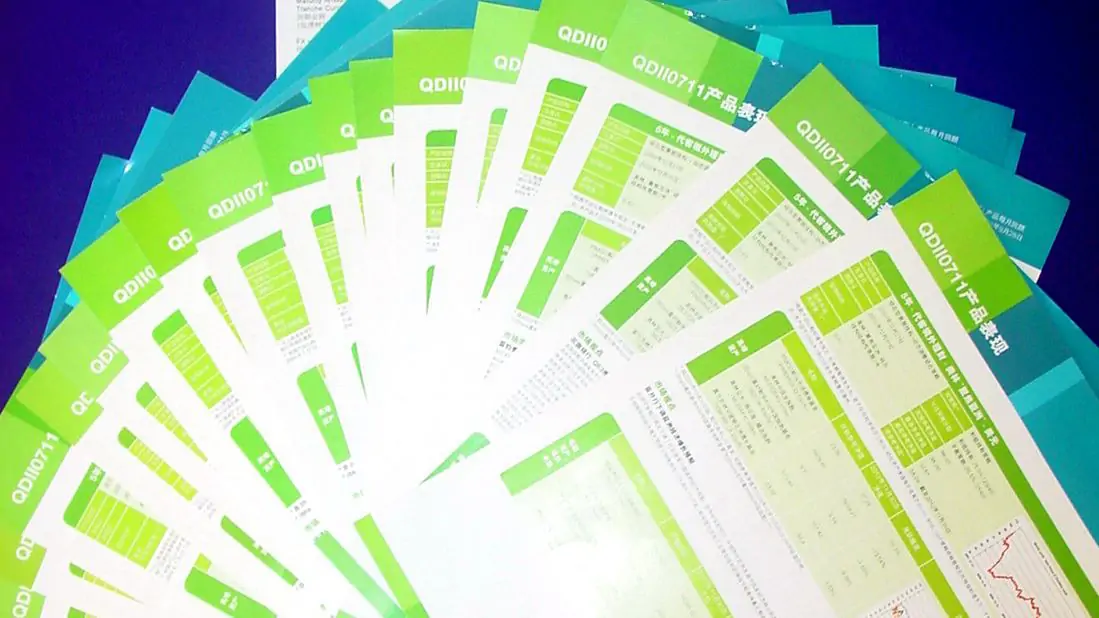

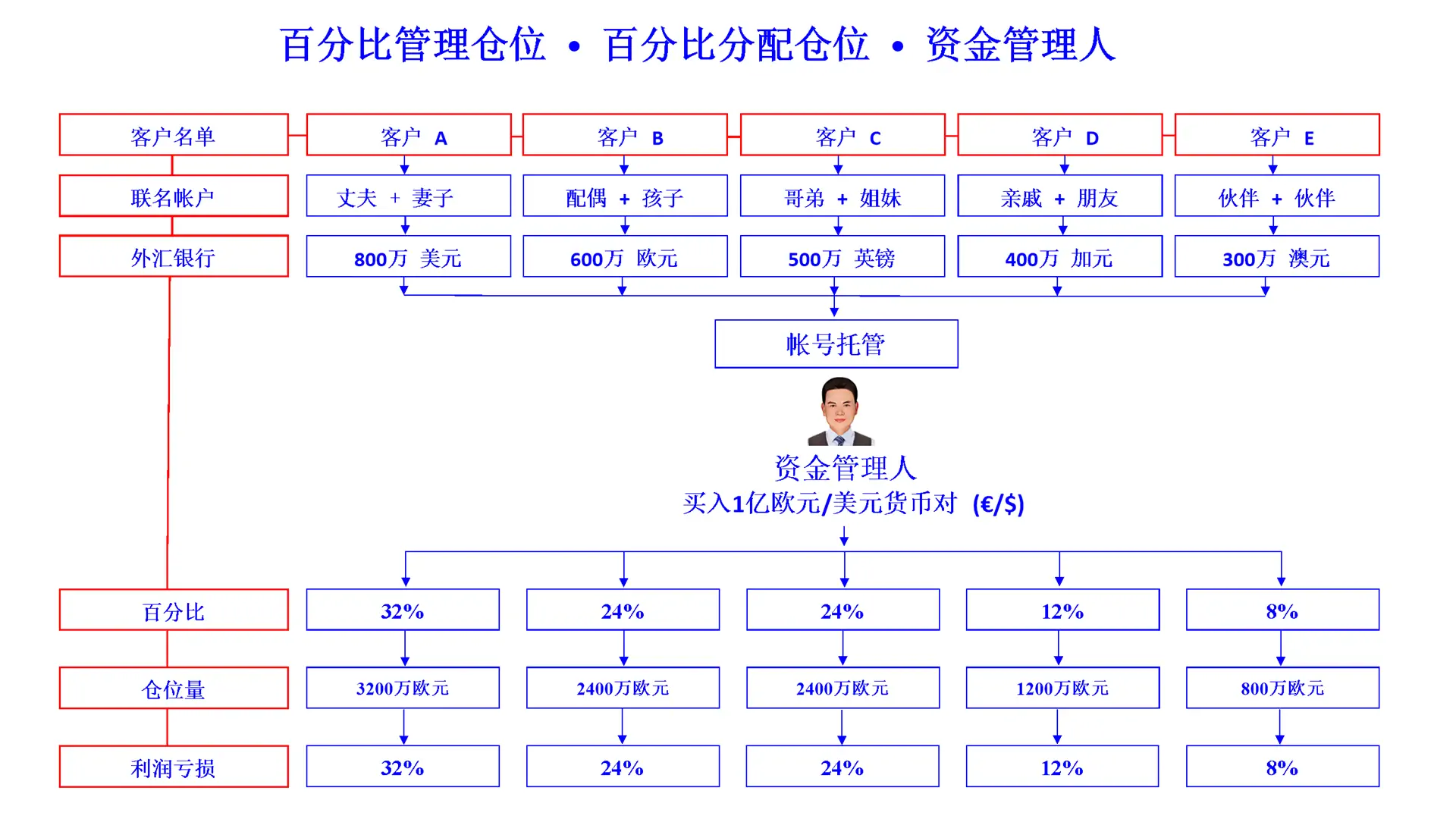



 +86 137 1158 0480
 +86 137 1158 0480
 +86 137 1158 0480
 中国 · 广州